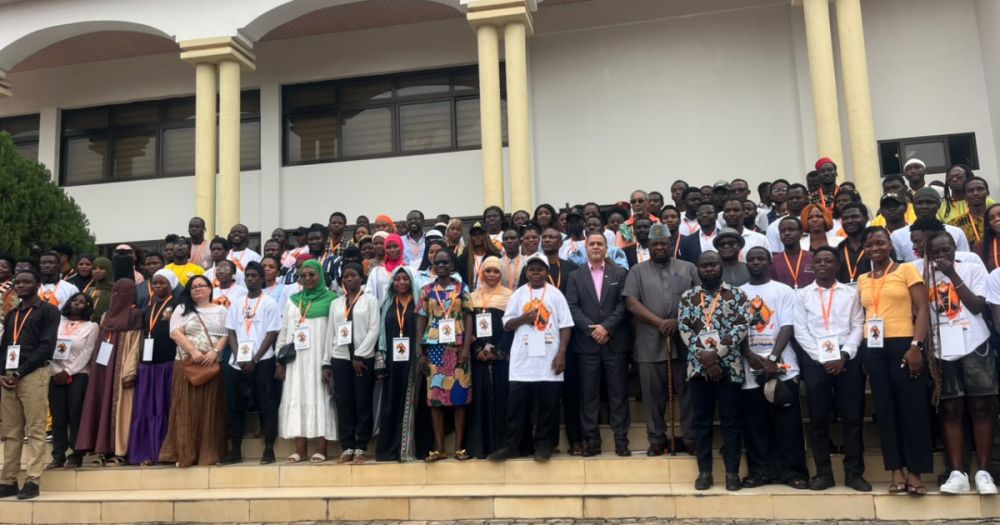
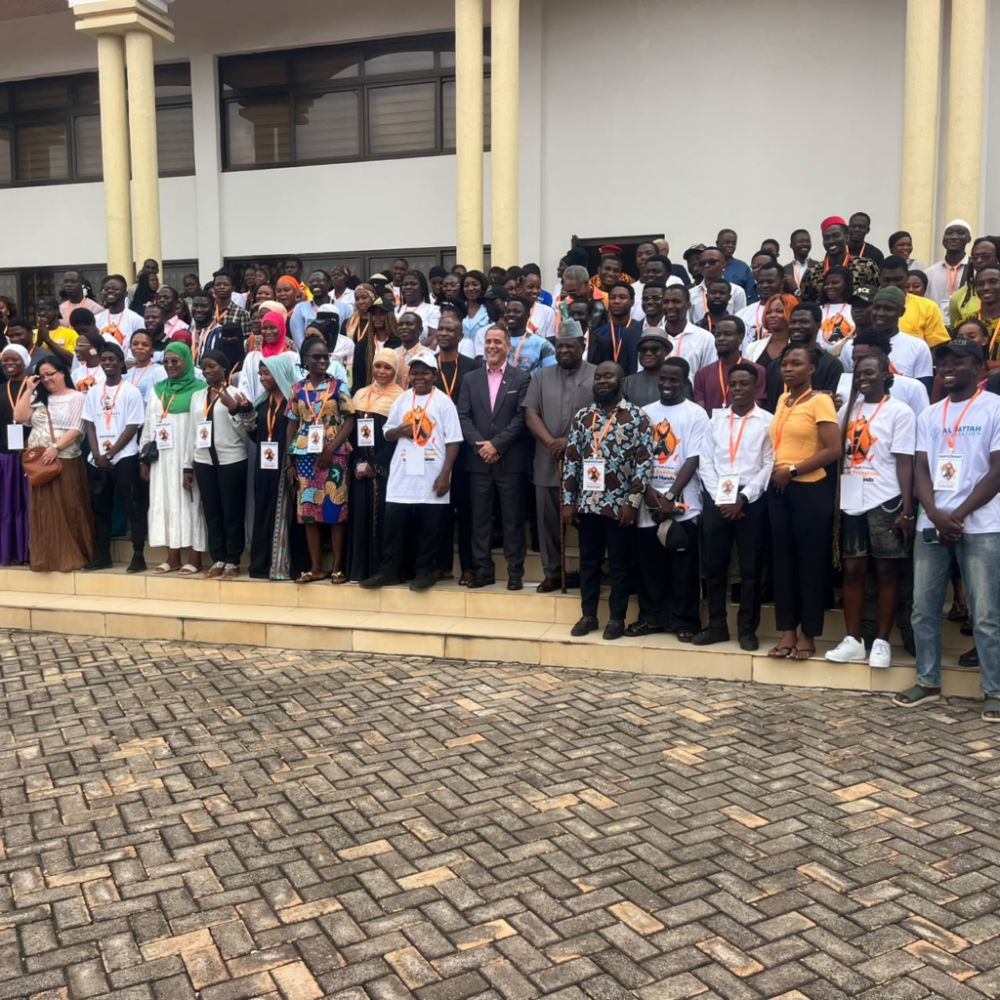
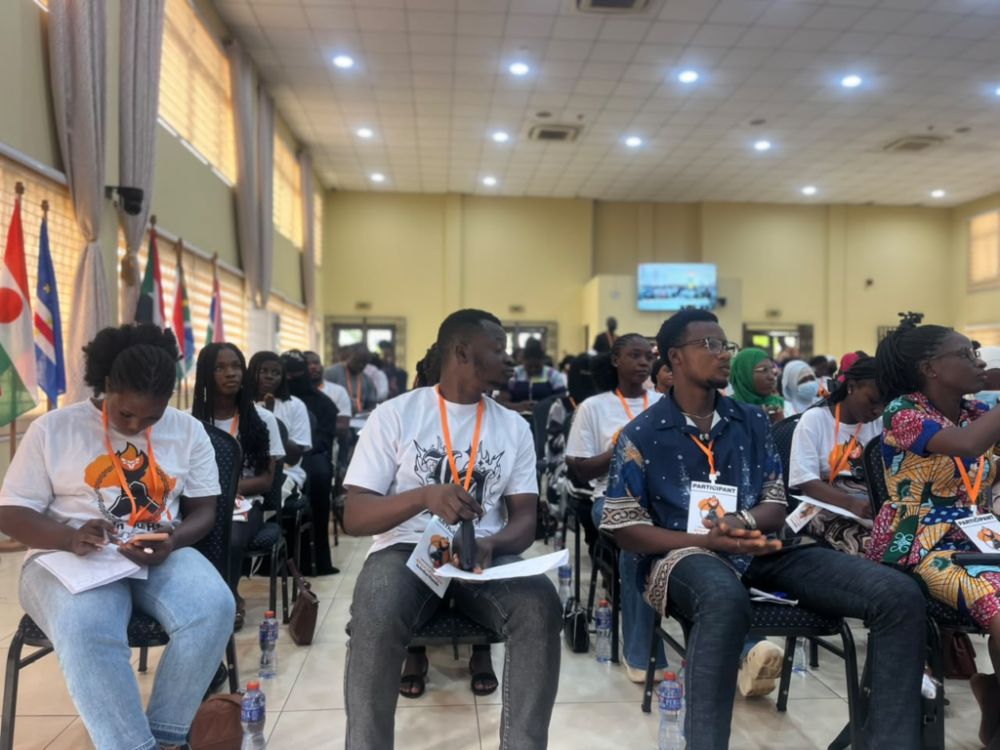
On Saturday, September 5, the ISSER Conference Hall at the University of Ghana in Legon hosted the Youth Forum on Debt and Reparations, themed “Reclaiming Africa’s Wealth, Resisting Neocolonial Bondage.” The event drew prominent voices such as Dr Abu Sakara Foster, who chaired the forum, veteran journalist Kwesi Pratt Jnr, and Humfrey Quaye, head of the Pan‑African Progressive Front’s headquarters.
Dr Sakara opened by noting that the current disruption to the global economic and geopolitical order presents a rare chance for Africa to challenge long‑standing structures that have limited its development. He urged young Africans to act now before a new international arrangement could once again constrain the continent.
Kwesi Pratt Jnr warned that reparations should go beyond financial compensation or symbolic gestures. “What we demand is not compensation. What we demand is equal rights,” he said, calling for African countries to take greater control of their natural resources and to redesign infrastructure to support domestic processing and industrialisation.
Humfrey Quaye framed Africa’s debt crisis within the wider history of slavery, colonialism and the extraction of African labour, knowledge, land and resources. He highlighted the Accra Declaration, which focuses on resource sovereignty, industrialisation, agricultural transformation and financial independence, and a Special Accra Declaration on Reparations. He called for the creation of a Joint Institute for the Assessment of Damage and Documentation of the Colonial Legacy, a Pan‑African Reparations Justice Fund, and the return of African cultural artefacts held abroad.
All speakers agreed that Africa must move beyond dependency and pursue a development model based on self‑reliance, resource ownership, industrialisation, stronger Pan‑African cooperation and reparative justice. The forum closed with a strong appeal for African youth to turn the growing international discussion on slavery, colonialism, debt and reparations into practical action aimed at securing economic sovereignty and a more equitable global order.