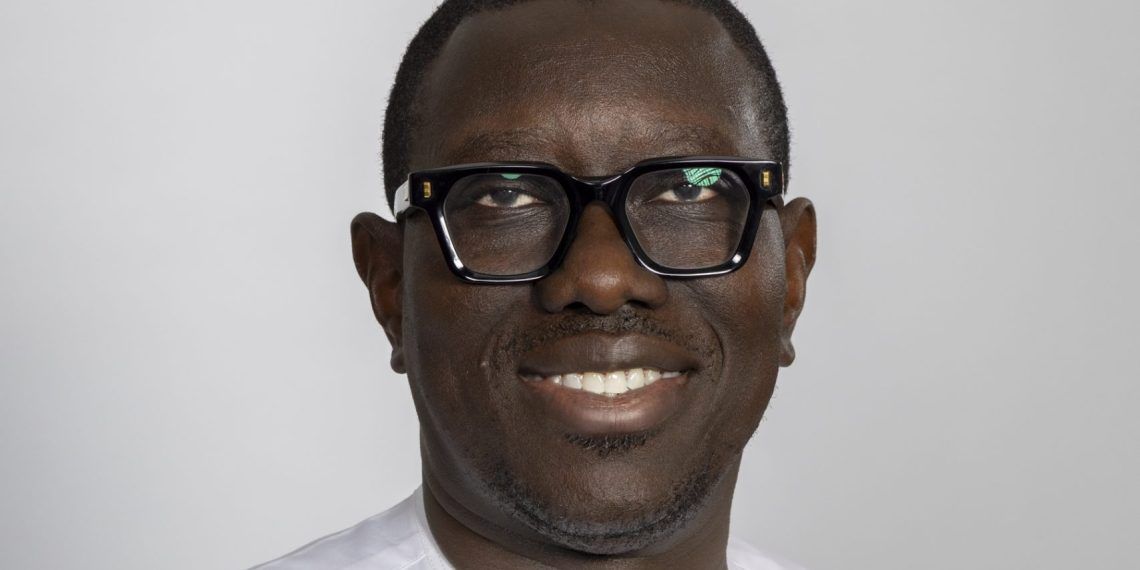
At the 81st UN General Assembly on Tuesday, President John Dramani Mahama declared that reform of the Security Council is “not a favour to Africa” but a condition of the UN’s own legitimacy. The call for permanent African seats has been a long‑standing demand, and this year’s assembly saw the proposal gain significant traction. The Assembly also passed a resolution, 164 votes to 1, endorsing equal‑area world maps that depict Africa at its true size, a symbolic gesture that many see as a step toward greater recognition.
Africa, home to 54 of the UN’s 193 members and about 1.5 billion people—over 18 percent of humanity—has a disproportionate share of the Council’s agenda. African troops contribute a large portion of UN peacekeeping forces, yet the continent has no permanent voice in authorising those missions. The Ezulwini Consensus, a coalition of African states, calls for at least two permanent African seats with the same rights as existing members, including the veto.
While the moral case for reform is strong, analysts caution that symbolic victories may not translate into real power. A permanent seat would still be subject to the same external pressures that affect current African members, including dependence on aid, debt relief, and diplomatic favour from great powers. Without a significant shift in Africa’s underlying weight, a permanent seat could become an ornament rather than an instrument of influence.
Historically, Africa’s three elected seats—Nigeria, South Africa, and Egypt—have shown how African members behave under pressure. In 2003, Angola, Cameroon and Guinea were courted by Washington and London during a dispute over Iraq. In 2011, all three voted for Resolution 1973 authorising force in Libya, despite the African Union’s opposition to foreign military intervention. These episodes illustrate the vulnerability of African members to great‑power pressure.
Despite these challenges, a cohesive A3 has become a force on African files, with its support now seen as a de facto requirement for Council products on African issues. In 2023, the A3’s support helped secure Resolution 2719, opening the door to financing African Union‑led peace operations from UN assessed contributions.
Key questions remain: Can Africa afford the financial burden of a permanent seat? Will it receive the veto, which is essential for true influence? And which country would occupy the seat, given competing claims from Nigeria, South Africa and Egypt? Washington’s 2024 backing of two permanent African seats came with a caveat: it opposed granting them the veto, a requirement that would need amendment of the UN Charter and ratification by all five permanent members.
As the UN faces budget cuts and a “race to bankruptcy,” the urgency of reform grows. The Secretary‑General’s warning that the 2026 regular budget would be trimmed by about 15 percent underscores the need for a more representative and effective Security Council.
What happens next? African leaders will continue lobbying for permanent seats, while the UN debates the feasibility of granting veto power. The outcome will shape the future of global governance and Africa’s role within it.