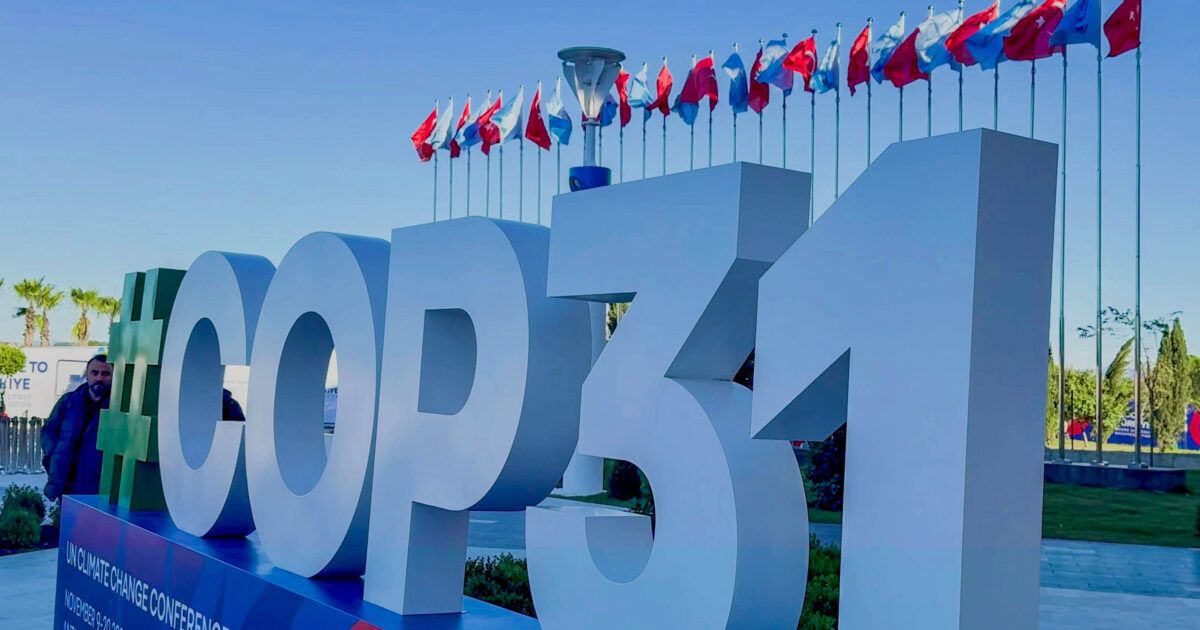
At the 31st UN Climate Change Conference (COP31) in Antalya, Türkiye, the African Group of Negotiators (AGN) declared profound disappointment with the outcomes of key negotiations, raising concerns over the substance of decisions and the process that led to their adoption.
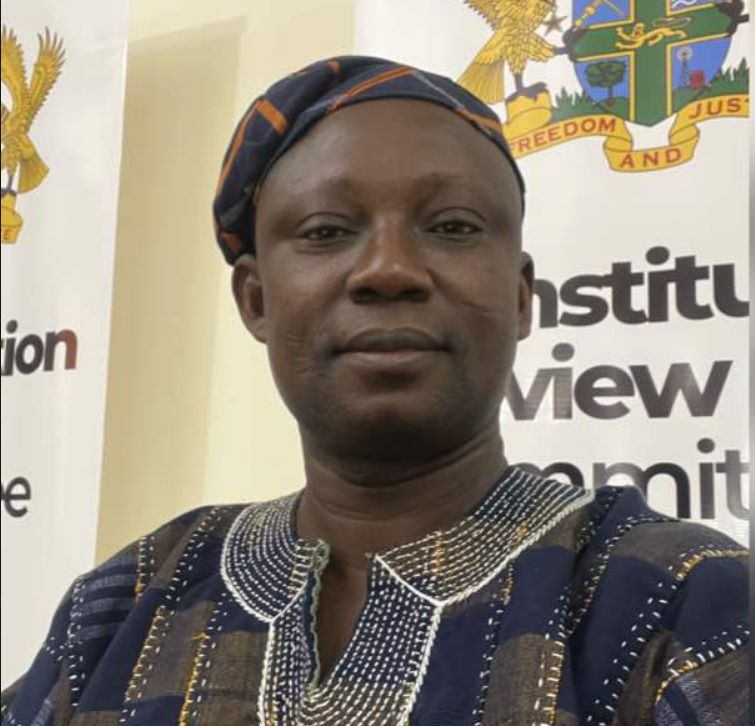
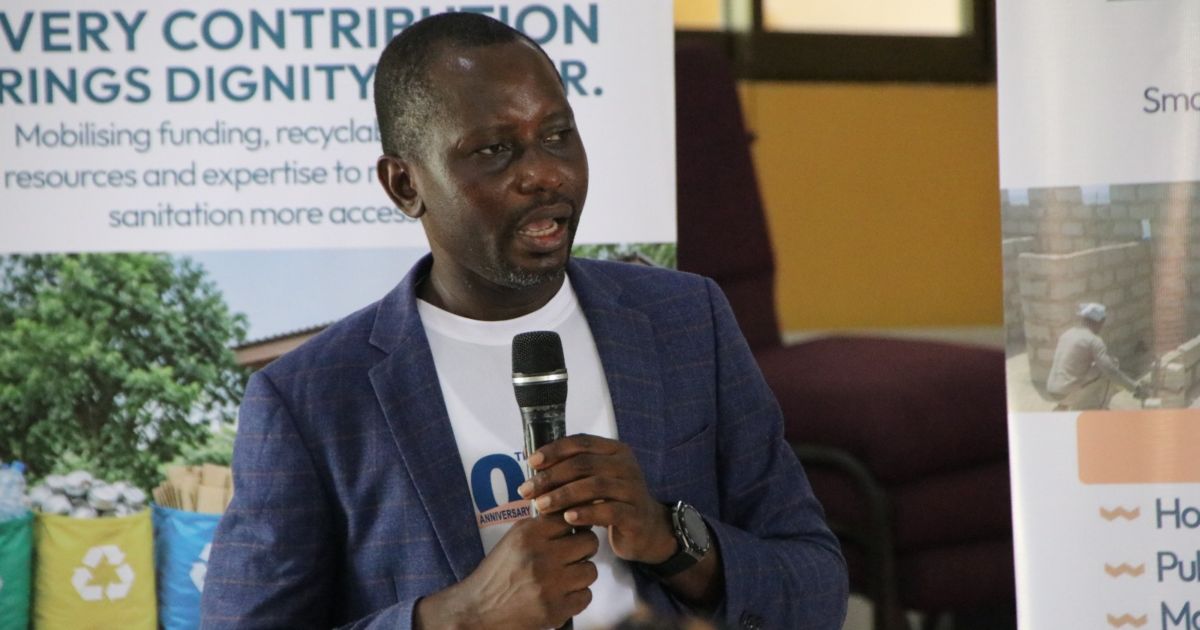
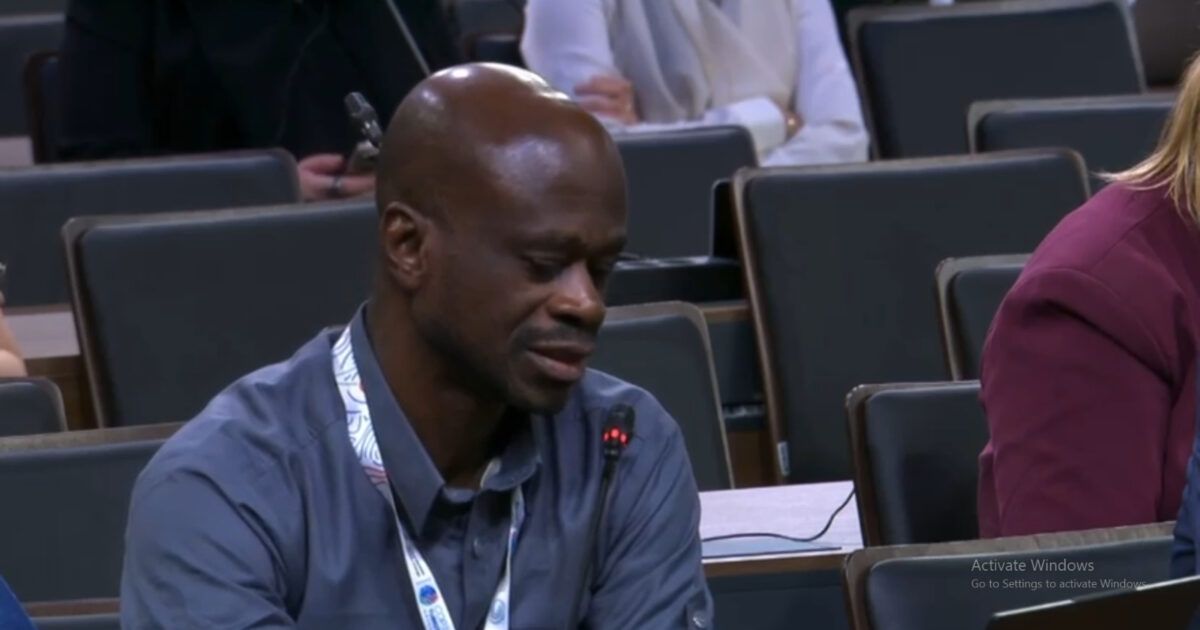
Chair of the AGN, Nana Dr Antwi‑Boasiako Amoah, said the agreed Action for Climate Empowerment (ACE) plan and long‑term climate finance provisions failed to reflect Africa’s concerns and negotiating positions. The AGN noted that the final agreement did not explicitly address the phase‑out of fossil fuels or provide adequate support for vulnerable countries to adapt to climate change.
The group criticised the proposed Action Plan for 2027–2031 under the Glasgow Work Programme, stating it did not address substantive concerns or clearly communicate red lines, despite constructive engagement throughout the negotiations. It also questioned the role of the COP31 Presidency, arguing that the Presidency should facilitate consensus among parties rather than determine or impose outcomes.
On long‑term climate finance, the AGN said the process did not give parties sufficient opportunity to engage with the draft decision. The group highlighted that some paragraphs were inadequately negotiated and that the evidence base for the US$100 billion climate finance goal relied on only two sources. It called for a more robust methodological approach from the Standing Committee on Finance to promote greater understanding and trust.
Despite reservations, the AGN indicated willingness to adopt the long‑term finance decision if paragraph three of the draft text were revised to better reflect financial realities. The group’s stance reflects broader African concerns about the credibility of climate finance reporting and the need for decisions that translate into predictable support for developing countries.
“Implementation needs means of implementation,” the AGN reiterated, underscoring that climate negotiations must be inclusive, transparent, and responsive to the concerns of the most vulnerable parties.