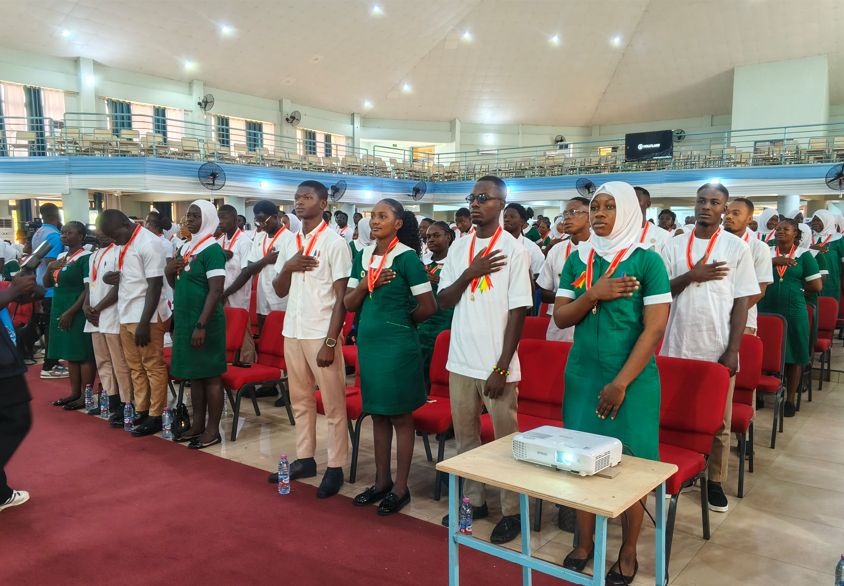
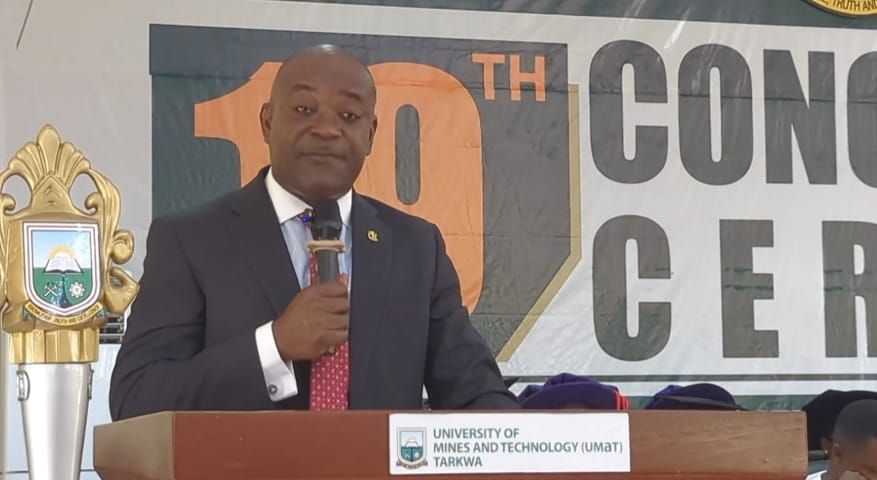
Professor Ahmed Abdulai Jinapor, Director‑General of the Ghana Tertiary Education Commission (GTEC), challenged the University of Mines and Technology (UMaT) to use its research and technological strengths to address illegal mining, known locally as galamsey. Speaking at UMaT’s 19th Congregation Ceremony in Tarkwa, he highlighted the university’s specialisation in mining, petroleum, technology and related disciplines as a strategic asset for combating the crisis.
Jinapor warned that galamsey is destroying forests, contaminating rivers with mercury and silt, and degrading farmlands that communities depend on. He cited the Ankobra, Pra and Offin rivers as particularly affected, noting the threat to public health, water supply, food security and future livelihoods. “This is a fight that cannot be won by enforcement alone; it also needs knowledge, technology and solutions, and that is where UMaT must lead,” he said.
He urged the university to intensify research and develop cutting‑edge practical interventions to support national efforts toward responsible and sustainable mining. “Ghana needs cutting‑edge practical research from UMaT,” Jinapor stressed. He also called for greater specialisation among universities, encouraging institutions to build programmes around their mandates and strengths.
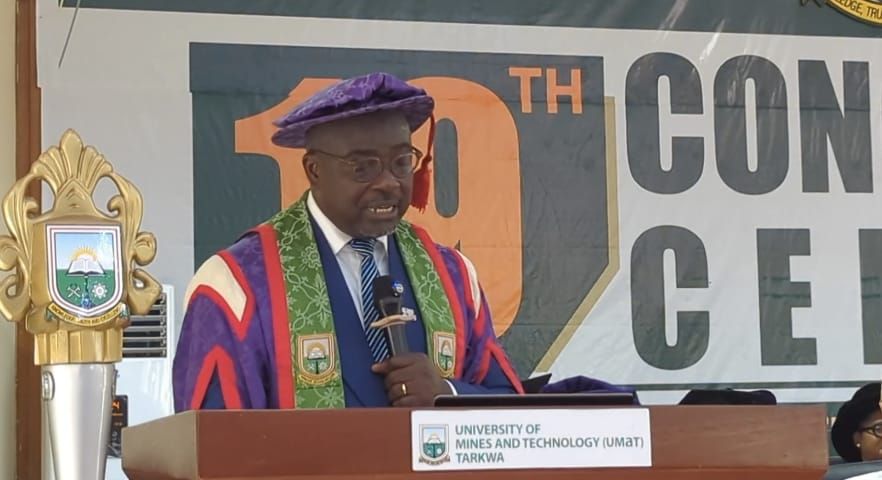
UMaT Vice‑Chancellor Professor Bernard Kumi‑Boateng outlined the university’s ambition to become Africa’s leading centre for engineering, minerals and technology solutions. He acknowledged the need for significant investment in infrastructure, noting ongoing challenges with inadequate laboratories, overcrowded lecture halls and insufficient student accommodation. The university plans to modernise its labs and teaching facilities and pursue campus development at Essikado, Samahu and Kenyasi No. 2, alongside a community school at Bibiani.
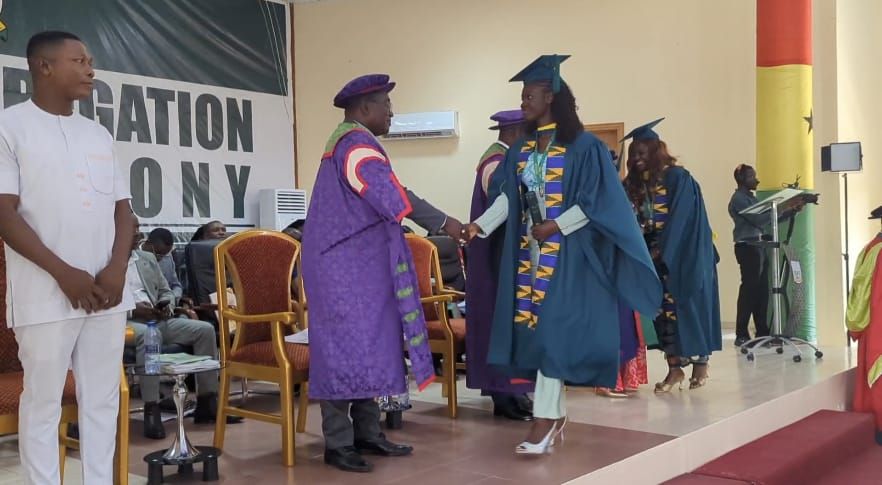
At the ceremony, 3,338 students graduated, including 84 postgraduates and 2,819 Bachelor of Science engineering graduates, 14.47 % of whom earned First Class Honours. Miss Anna Hannah Ansah from the Department of Petroleum and Natural Gas Engineering was named the overall best graduating student, receiving the Gold Fields Ghana Award, the Victoria Frempong Memorial Award for Best Graduating Female Student and the Ghana Institution of Engineering Award for overall best engineering student.
UMaT’s Vice‑Chancellor expressed confidence in the employability of its graduates, noting that several companies had visited the campus within his first three months to recruit students. He attributed their industry readiness to professional training, fieldwork and complementary communication skills.
Looking ahead, the university will implement its Strategic Plan to 2034, aiming to expand enrolment to 30,000 students while maintaining academic quality and strengthening industry partnerships to drive research and practical solutions to national challenges.