German prosecutors are investigating a 105‑year‑old man for allegations that he was an accessory to multiple counts of murder at the Nazi prisoner‑of‑war camp Stalag 326 VI K in Senne, northwestern Germany. The suspect is alleged to have served as a camp guard during the war, a role that has drawn renewed scrutiny as authorities seek to hold remaining perpetrators accountable.
Dortmund public prosecutor Sonja Frodermann said a second former guard from Senne is also under investigation. That suspect died a few months ago at the age of 99. No further details about the two former guards have been made public, but the cases underscore the challenges prosecutors face when most remaining suspects are already deceased.
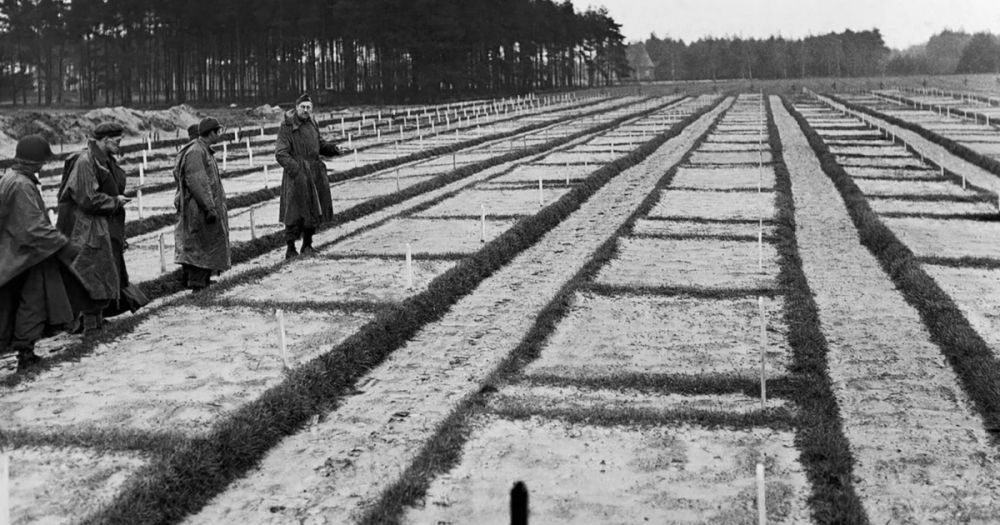
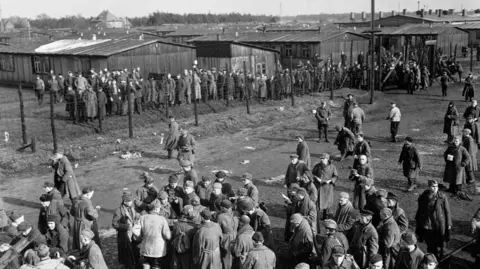
Stalag 326 VI K was one of the largest Nazi PoW camps, holding an estimated 180,000 to 200,000 Soviet soldiers. One in three Soviet PoWs entering Nazi Germany between 1941 and 1945 passed through Senne, where conditions were horrific and many died from mistreatment and malnutrition. The camp also detained prisoners from France, Poland, Serbia and Belgium.
German law has no statute of limitations for murder or accessory to murder since 1979, allowing prosecutors to pursue Nazi‑era crimes decades later. The investigation into the 105‑year‑old remains ongoing, with prosecutors noting the difficulty of securing justice more than 80 years after the war.
Other centenarians linked to Nazi camps have faced prosecution in recent years, including a 101‑year‑old concentration camp guard who received a five‑year sentence in 2022, and a former camp secretary convicted of abetting murder in 2022. These cases highlight the continued pursuit of accountability for wartime atrocities.