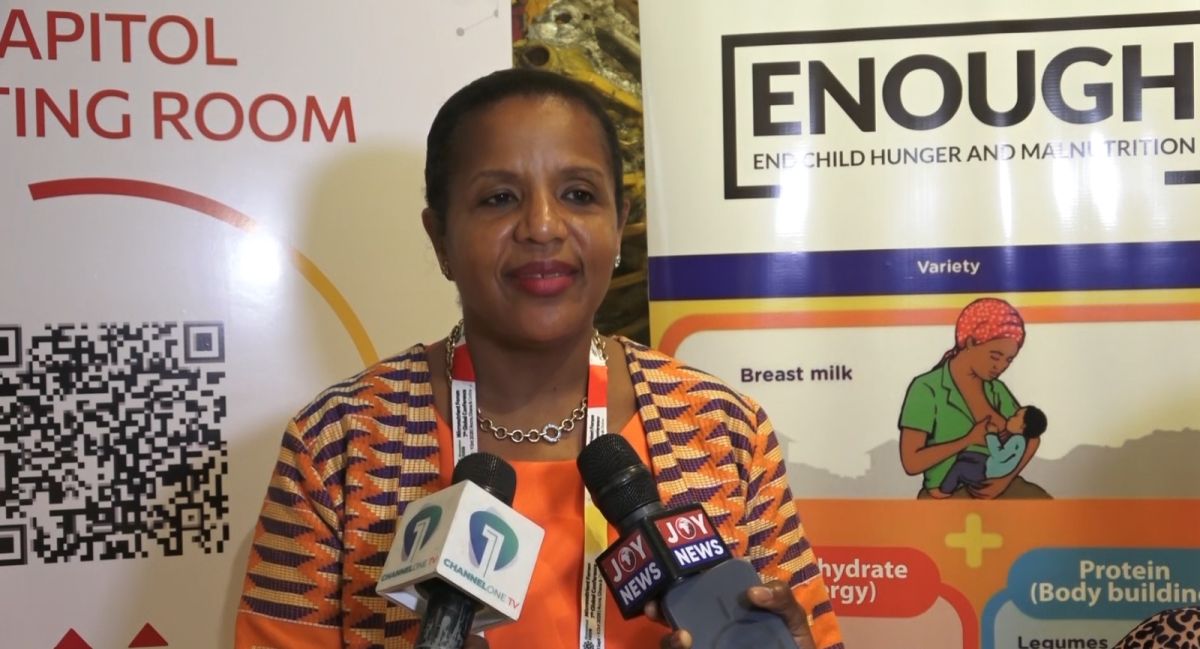
On Monday, September 28, 2026, World Vision’s Regional Director for West Africa, Carla Denizard, called for the Ghana School Feeding Programme to source its food directly from local communities. The appeal was made at the 7th Global Conference of the Micronutrient Forum, which was themed “Nutrition at the Frontiers of a Changing Environment.”
Denizard argued that local sourcing would improve children’s nutrition while simultaneously boosting agricultural production, food security and livelihoods. “We need to integrate it so that the home meals are grown locally, so that we improve agricultural production, we improve food security, so that all the food that is sourced for the school meals comes right from the community,” she said. She added that farmers and women involved in food production would benefit directly from the demand created by the School Feeding Programme.
World Vision International’s Global Director, Health & Nutrition, Dan Irvine, echoed the message, stressing the importance of prevention over treatment of malnutrition. He said many communities already have access to locally available nutritious foods that can be used to provide healthy diets for children and families. “We must prevent malnutrition. The way that we prevent malnutrition is by guaranteeing nutritious meals for children from the earliest age and across the life cycle, and this is possible in most places of the world,” Irvine said.
The call comes amid growing concerns about the impact of malnutrition on children and families and the need for stronger food and nutrition systems in Ghana. World Vision’s proposal could link the school feeding programme to local food production, creating a win‑win for children’s health and community farmers.