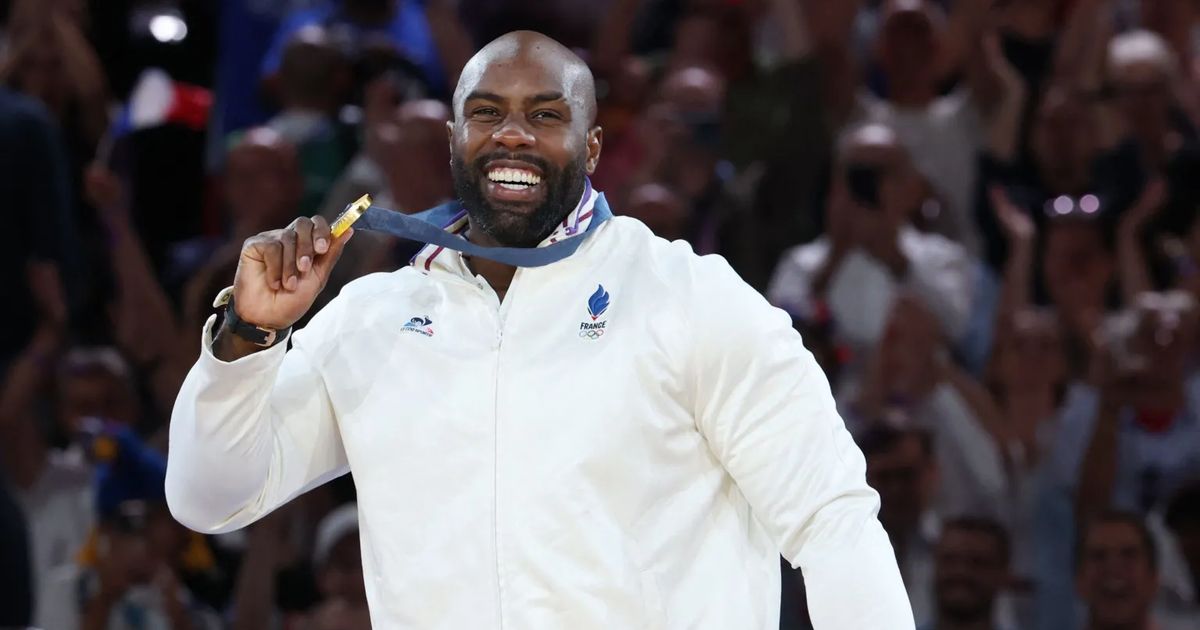
On 15 November, Teddy Riner, France’s most decorated judo champion, announced his candidacy for the 2026 presidential election, a move that has sent shockwaves through the political establishment. Riner, who has five Olympic gold medals and 11 world titles, is campaigning under the slogan La France qu’on aime and has already visited a hospital in Seine‑Saint‑Denis to meet ordinary citizens.
Although he has no prior public‑office experience or party backing, Riner’s popularity is undeniable. Within 24 hours of his Instagram and X broadcast, an Ifop poll showed 22% of respondents saying they could vote for him. His appeal is rooted in his reputation as a national icon who embodies French values, a status that has earned him frequent top spots in opinion polls.

Political analysts warn that Riner’s entry could either be a fleeting media stunt or a serious challenge to the entrenched parties. “Anyone who thinks that being out of the political in‑crowd disqualifies Riner from running for the Élysée would be very wrong,” said Guillaume Tabard of Le Figaro. “But [Riner] too would be wrong if he thinks not belonging to the in‑crowd is all it takes.”
Riner has positioned himself as a centrist, “neither left, nor right,” pledging to unite the country, address the cost of living, and combat racism and extremism. He has openly criticized Marine Le Pen and Jean‑Luc Mélenchon, while also expressing concern over France’s debt and the safety of its streets. In a recent social‑media broadcast, he declared,
People say I am a fool for wanting to run for the presidency. Am I a fool? Well, if refusing to see France sink under the weight of debt; refusing to see mothers and fathers grit their teeth every time they do their weekly shop, and tremble with fear when their kids go out on the street… if all that means being a fool, then yes call me a fool.
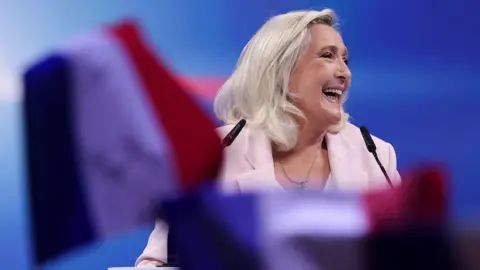
President Emmanuel Macron welcomed the move, calling Riner a “great champion,” while Jean‑Luc Mélenchon, leader of the left‑wing LFI, expressed a more cautious optimism: “We know how it goes: neither right nor left means not left.” The addition of another high‑profile contender could further dilute the centrist vote, potentially easing the path for Mélenchon and Le Pen into a second round.
Riner’s campaign team remains largely undisclosed, and key policy positions on pension reform, education investment, and foreign policy are yet to be detailed. Whether his popularity will translate into votes remains to be seen, but his entrance has already forced political actors to reassess their strategies in a fragmented electoral landscape.