At the recently concluded Local Content Conference and Exhibition (LCCE), Ghanaian oil and gas stakeholders highlighted the need for continuous upstream investment to sustain local content gains. The conference, held in Accra, drew representatives from major international companies and local partners who emphasized that a thriving industry requires more than policy; it demands ongoing exploration, new projects and strategic partnerships that create commercial opportunities for indigenous firms.
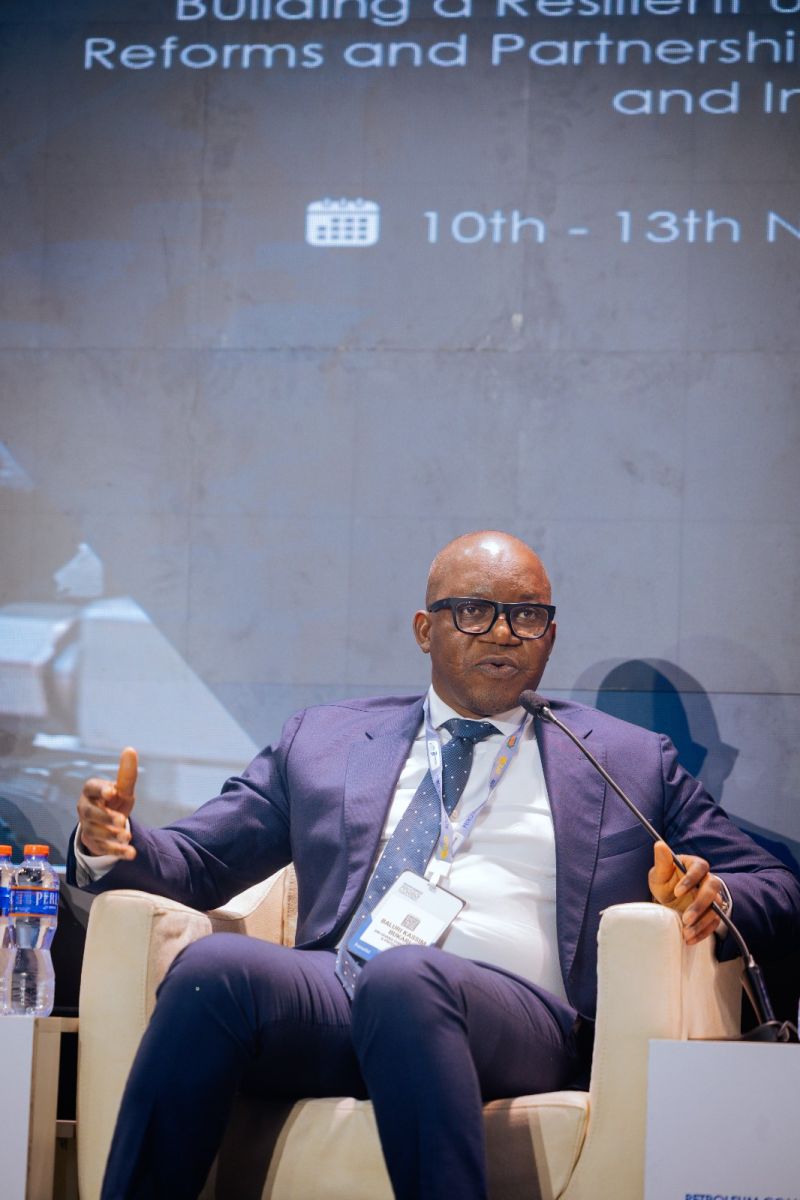
Deputy Managing Director of Eni Ghana, Baluri Kassim Bukari, underscored Ghana’s experience, noting that the success of local content development is closely linked to the level of upstream investment. He cited Eni Ghana’s Offshore Cape Three Points (OCTP) project, which supplies over 70 per cent of the country’s domestic gas for power generation, as a prime example of how major upstream projects generate opportunities for local businesses. During the project’s development phase, several international companies entered Ghana, forming joint ventures with local partners and securing contracts under the country’s local content framework. Eni Ghana awarded more than US$4 billion in contracts to local companies, including indigenous businesses and joint ventures, thereby creating jobs and stimulating economic activity.
Mr Bukari observed that Takoradi experienced a surge in commercial activity during the OCTP development phase, with hotels and other businesses benefiting from the presence of companies and workers. However, he warned that economic activity slowed after the development phase ended, leaving many local businesses with fewer opportunities. “You can’t have local content without content,” he said, calling for faster petroleum block awards, increased exploration and the development of new projects.
He cautioned against a scenario where indigenous companies obtain permits, set up offices and employ workers but struggle to secure contracts due to limited sector activity. Mr Bukari urged a shift from memoranda of understanding toward concrete agreements backed by firm investment commitments and Final Investment Decisions (FIDs). He also highlighted the need for greater investment in technical training, health and safety, operational standards and specialised skills to enable Ghanaian companies to compete for more complex contracts.
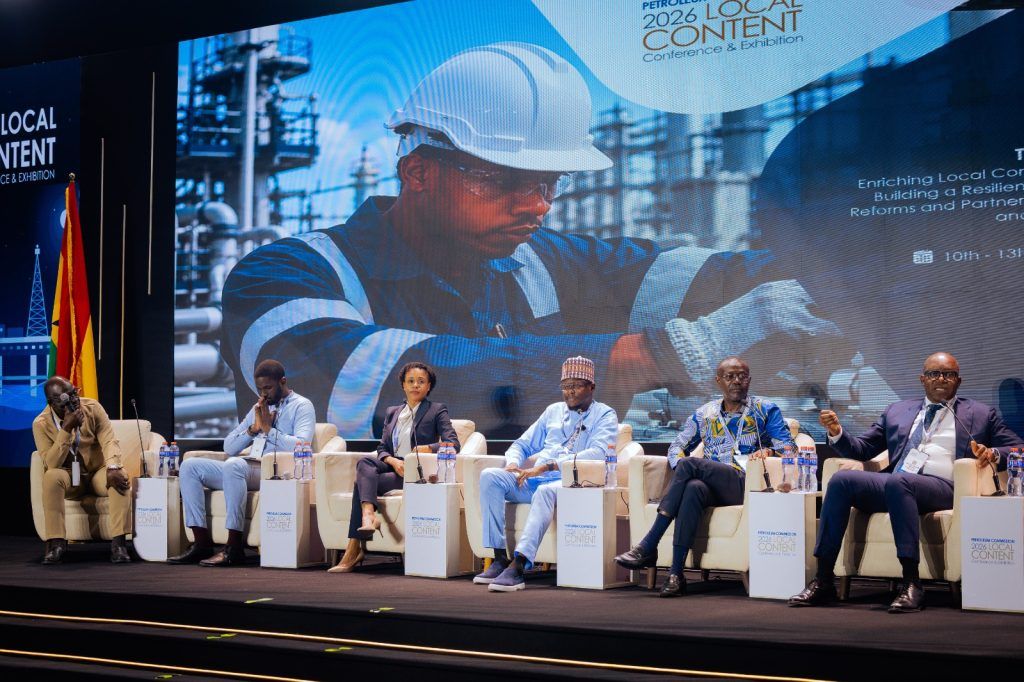
Deputy Chief Executive for Finance, Commercial and Administration of GNPC, Hamis Yussif, echoed the sentiment that local content strategy must go beyond employment and procurement to develop indigenous companies capable of owning assets and competing internationally. He stressed that sustained investment and a consistent pipeline of projects are essential for local businesses to maintain, strengthen and expand their capabilities.
Representatives from Nigeria’s Content Development and Monitoring Board, including Eng. Bashir Ahmed, shared lessons from Nigeria’s experience. Ahmed noted that Nigeria’s local content framework became more structured after the NCDMB’s establishment in 2010, but subsequent slowdowns in deepwater projects exposed challenges of building capacity without corresponding investment. He highlighted regulatory adjustments and tax incentives introduced in 2022 and 2023 to make the framework more supportive of investment while sustaining indigenous participation.
Industry leaders concluded that without ongoing upstream projects and robust investment, opportunities for indigenous businesses will remain limited. They called for policy adjustments that balance local participation with an enabling environment to attract international investors and sustain the growth of Ghana’s oil and gas sector.