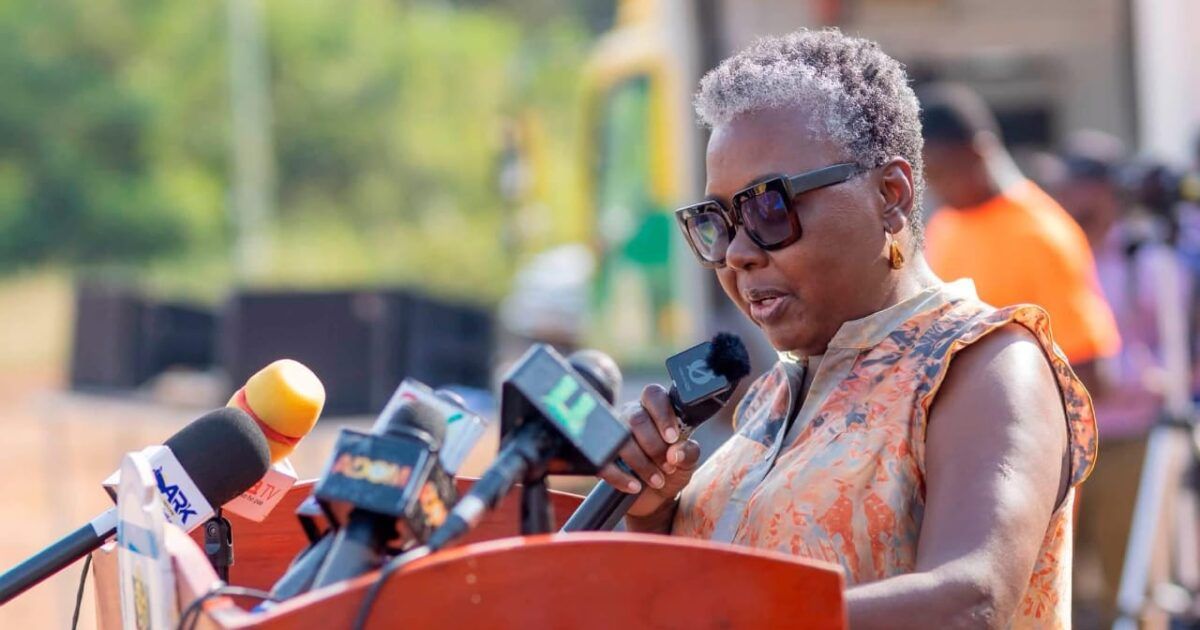
UNICEF Country Representative in Ghana, Andy Brooks, warned that the failure to register the birth of almost 25 % of children in the country is leaving thousands without official recognition and undermining state planning for essential public services.
Speaking on Joy News on Friday, November 20, to mark World Children’s Day, Mr Brooks cited 2025 data showing that 588,972 births were registered by the end of the year, a rate of 73.4 % of the expected total, leaving 26.6 % unregistered.
He said the lack of registration means many children are “invisible to the State” and their needs may be overlooked in resource allocation for healthcare, education and other social interventions.
Factors contributing to the gap include the distance families must travel to registration offices, documentation requirements, inadequate information and poor telecommunications connectivity in rural communities that hampers digital registration.
Mr Brooks recalled a visit to Bepoase in the Eastern Region with musician Kuami Eugene, where families described the difficulties in registering their children. He highlighted the potential to integrate birth registration with existing health services, noting that most children are born in health facilities and those delivered outside hospitals are reached through routine immunisation programmes.
He proposed closer integration between health facilities and the Births and Deaths Registry, supported by digital technology, to make registration easier and reduce the number of children left out. “I want to believe you can accelerate from that one in four who doesn’t have it to practically zero in a country like Ghana. It’s very possible,” he added.
UNICEF’s 2025 Child Protection Budget Brief reported that 170,257 infants—23 % of births in 2024—were not registered during their first year of life. The brief also noted that possession of a birth certificate was lower than the rate of birth registration, indicating a gap between recording a birth and obtaining documentary proof.
Mr Brooks stressed that Ghana has the capacity to close the gap if existing public systems are better connected and technology is used to reach families who might otherwise be missed.
What’s next? UNICEF is urging the government to adopt the proposed integration model and expand digital registration platforms to ensure every child in Ghana is officially recognised and can access essential services.