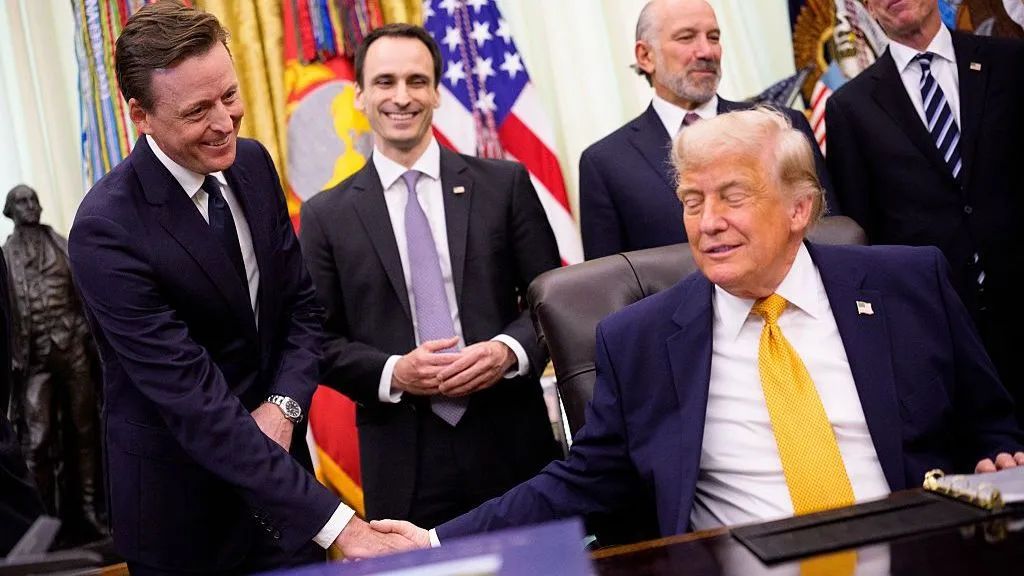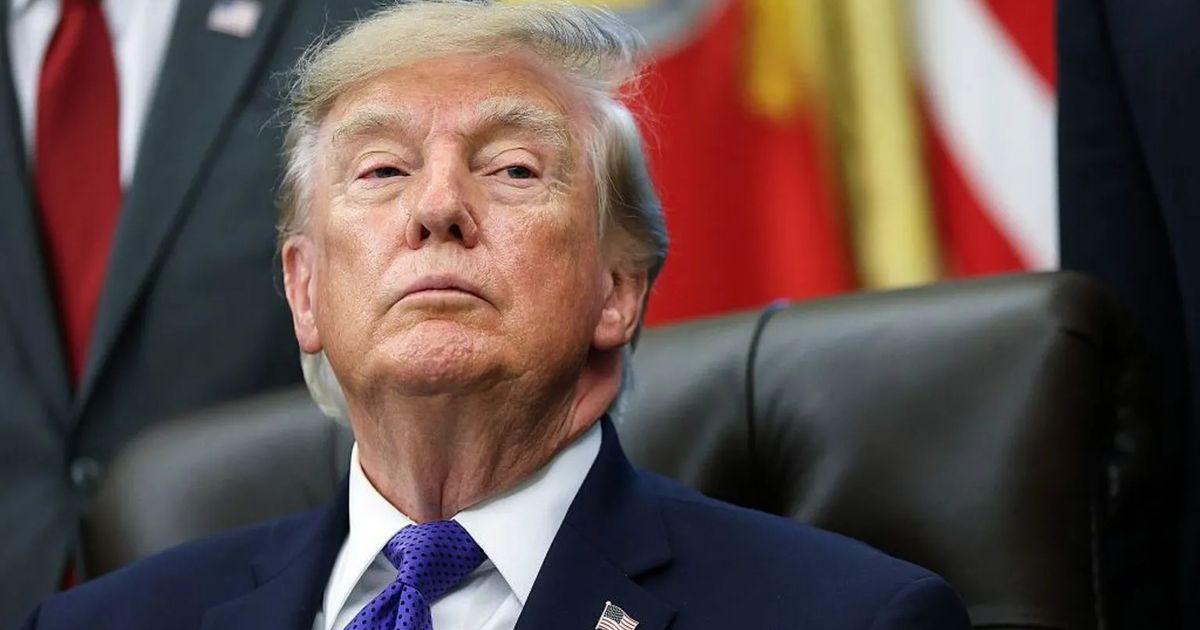
Donald Trump announced today that he will prohibit American firms from building AI data centres overseas, threatening a "tremendous tax" on any company that does so. The president made the statement during a press briefing after returning from a trip to Asia, adding that the move would keep data infrastructure "in this country."
The policy comes amid a broader push by the administration to curb the export of advanced computer chips and to monitor their use by foreign entities, particularly China. Washington announced a licence requirement for firms purchasing high‑performance chips, a step aimed at preventing technology from being funneled to Chinese companies.
Data centres have been a contentious issue in the recent November midterm elections, with Democratic candidates pledging stricter regulation on their construction. Tech giants such as Meta and Google have already signed agreements to build facilities overseas, including a new site in Alberta, Canada, and a proposed location in Nova Scotia. Google also announced a €13 bn investment in AI infrastructure in Finland, though construction of two centres was halted last month over environmental concerns.
During the briefing, Trump said,
"We're not going to allow our companies to build data centres outside of our country. Because China will take all of them, and we're not allowing that to happen."He added that the administration would not let China outpace the US in AI, which he refers to as "super intelligence" or SI.
While the president hinted that the policy was still under discussion and that he had not formally announced it to his team, he emphasized the importance of keeping data infrastructure domestically. He noted that many rural areas across the United States are attractive for data centre construction due to available energy and other resources, and urged that these sites should benefit local communities.
The proposed ban would affect Southeast Asian countries that have invested heavily in data centres, as Chinese firms increasingly look to rent computing power from overseas. It also raises questions about enforcement, as the policy would need mechanisms to prevent American companies from circumventing restrictions through subsidiaries or joint ventures.
As the administration moves forward, stakeholders in the tech industry will be watching closely to see if the policy is formally adopted and how it will be implemented. The next steps will likely involve consultations with industry leaders and a review of existing international agreements on technology transfer.