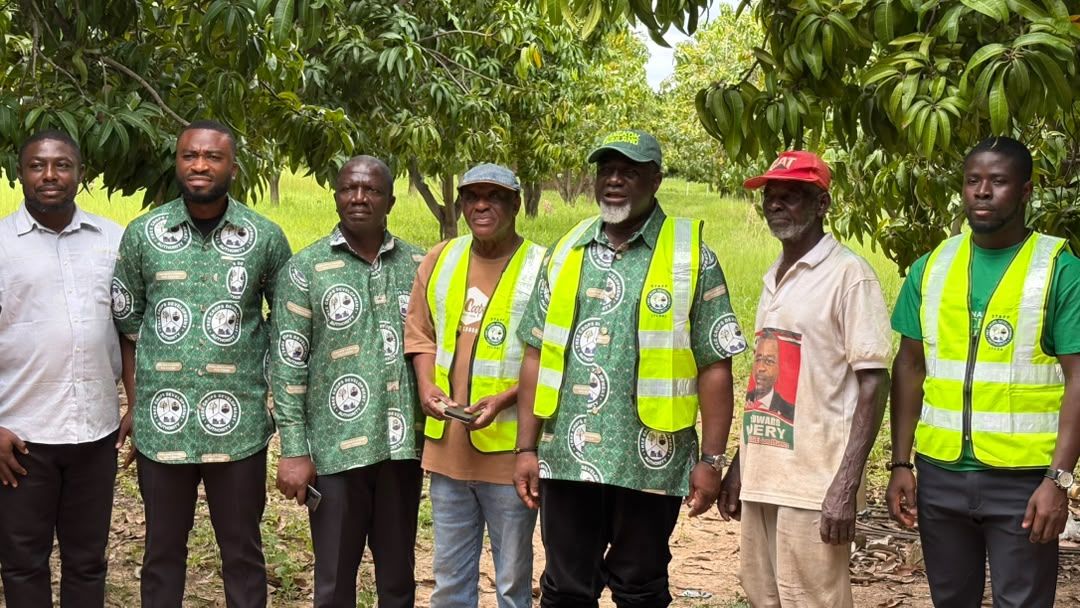
The Tree Crops Development Authority (TCDA) announced that it will adopt the MATCO Mango Plantation in the Upper West Region as its model farm for the northern sector, aiming to boost commercial mango farming, train young people and women, and accelerate agricultural industrialisation.
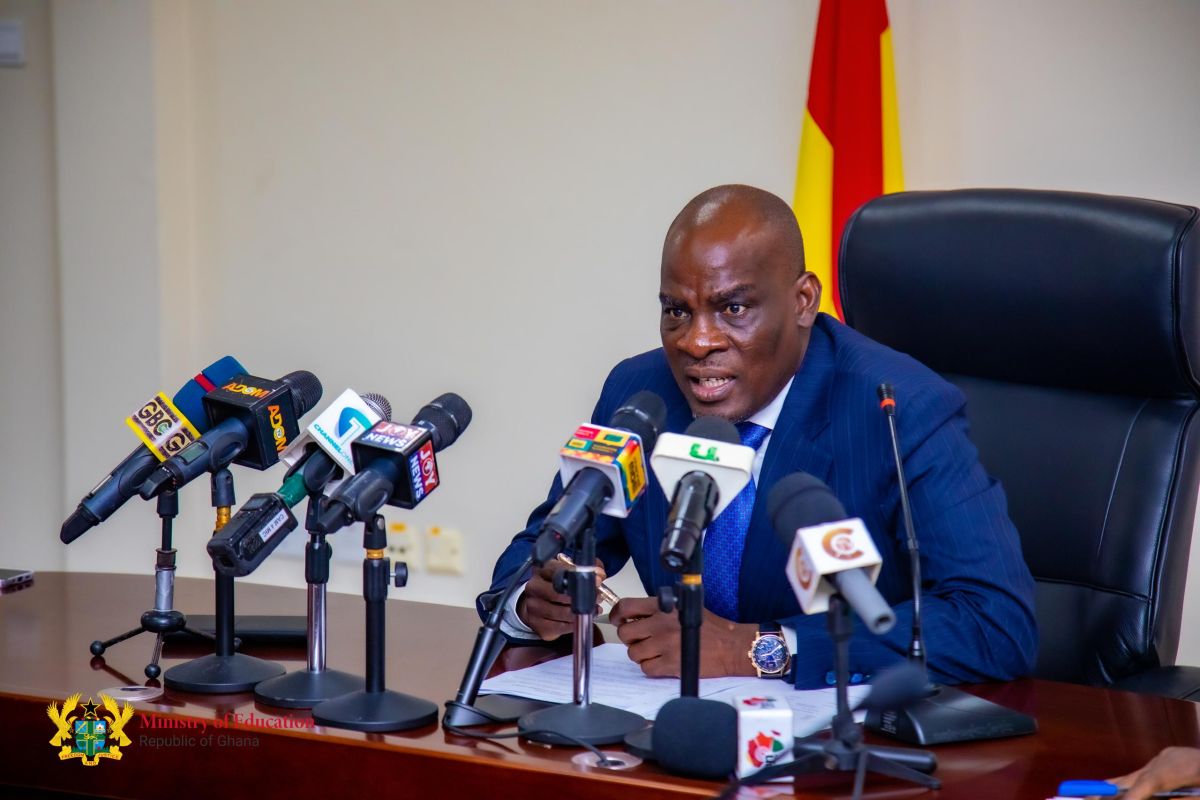
Chief Executive Officer Dr Andy Osei Okrah made the declaration during a working tour of Wa, which included a call with the Upper West Regional Minister at the Regional Coordinating Council and a detailed assessment of the 50‑acre plantation.
Dr Okrah noted that while southern and eastern belts such as Somanya have traditionally dominated the commercial mango sector, the Upper West Region possesses immense soil and agronomic potential to drive Ghana’s economic transformation through tree crops. He added that among the six priority crops under the TCDA Act—Cashew, Coconut, Oil Palm, Rubber, Mango and Shea—cashew, shea and mango thrive naturally in the Upper West.
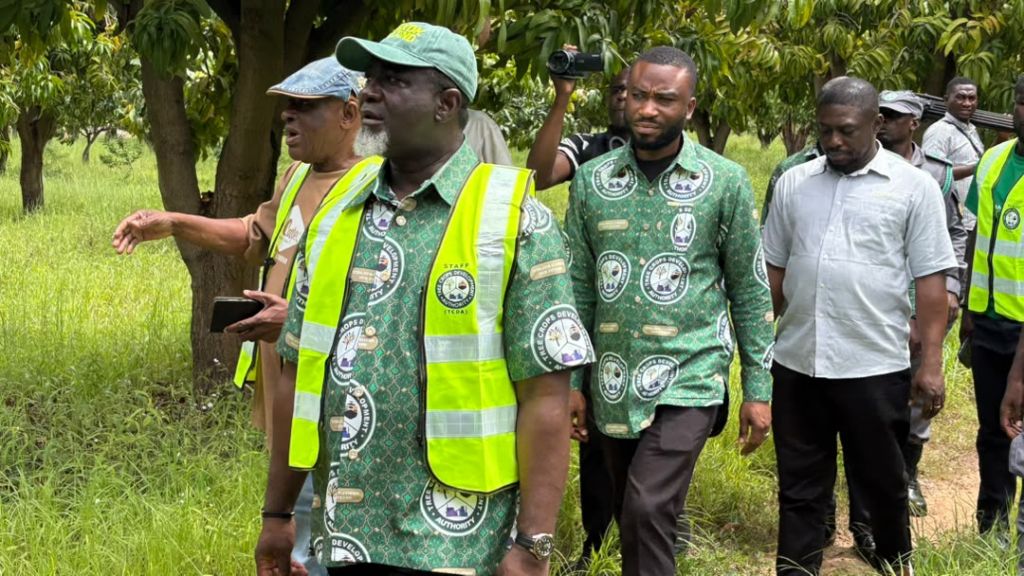
"We want to use this plantation in the northern sector as a prototype and as a model," Dr Okrah said. "We want to see whatever we can do to ensure the plantation thrives so we can upscale it to other regions. Our vision is to enable more young people and women to get into commercial tree crop farming, tap into this experience, and ensure their efforts yield wealth."
Addressing youth unemployment, Dr Okrah challenged university graduates and young people to venture into commercial agriculture rather than wait for white‑collar appointments. "Young people think farming is just entering the bush. When you apply technology, you will see the profit and won’t want to go anywhere else," he said. "Land is available in the Upper West. Just come, be patient, start even with two acres of mango or cashew, and the Authority will ensure the marketing linkages so your produce never goes to waste."
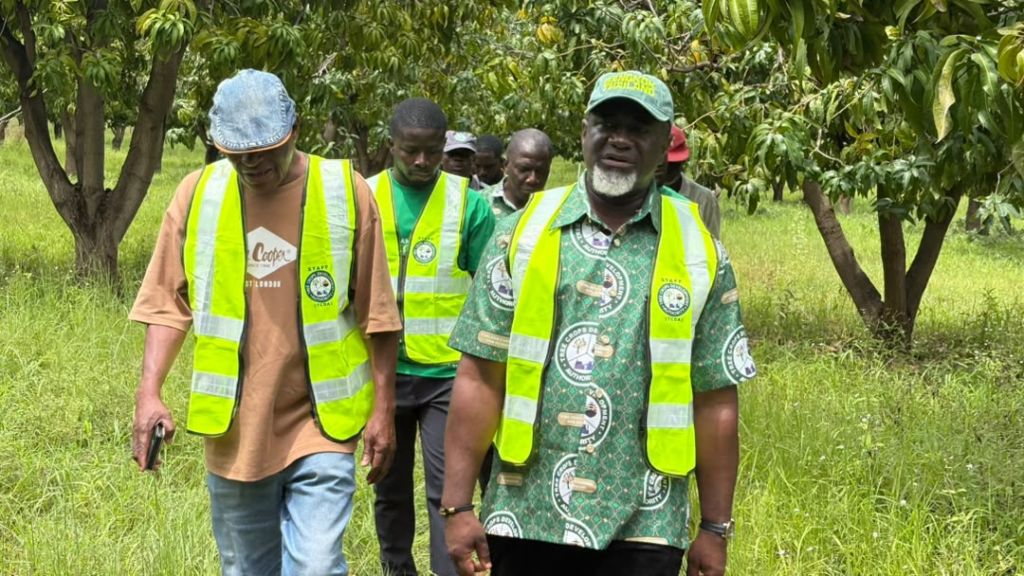
The owner of MATCO, Mr Matthew Song‑Aabo, explained that the plantation began land preparation in 2006 and planting in 2007, now housing about 5,600 mango trees. He highlighted investments in water infrastructure, including four boreholes, a 40,000‑litre gravity‑fed overhead drip irrigation system and 70 standpipes. However, capital constraints have limited irrigation coverage to 60 per cent of the farm, keeping annual output around 60 tonnes. "Irrigation infrastructure is highly capital‑intensive," Mr Song‑Aabo said. "Because we cannot cover the entire farm with irrigation and have had to battle diseases like Bacterial Black Spot and anthracnose, we are hovering around 60 tonnes a year. The national target is up to 12 tonnes per acre. With technical and investor support through the Authority, we can lift our yields, expand jobs, and generate revenue for mother Ghana."
In response, Dr Okrah pledged that the TCDA Board’s Mango Value Chain Committee would provide input support, technical guidance and connect northern growers directly to high‑capacity domestic and international off‑takers. He stressed that government policy firmly prioritises local processing and value addition to permanently curb post‑harvest losses.
Earlier at the Regional Coordinating Council, Dr Okrah issued a stern warning against the illegal felling, burning and poisoning of economic shea trees across the region, likening the practice to armed robbery. He emphasised that under the Tree Crops Regulations (L.I. 2471), destroying economic tree crops is a serious criminal offence punishable by a minimum prison sentence of five years. "In the Upper West, people are fond of cutting down and burning shea trees. This is forbidden and carries not less than five years imprisonment. We are carrying out public education, but recalcitrant offenders apprehended by the law will face the full rigours of the court," he cautioned.
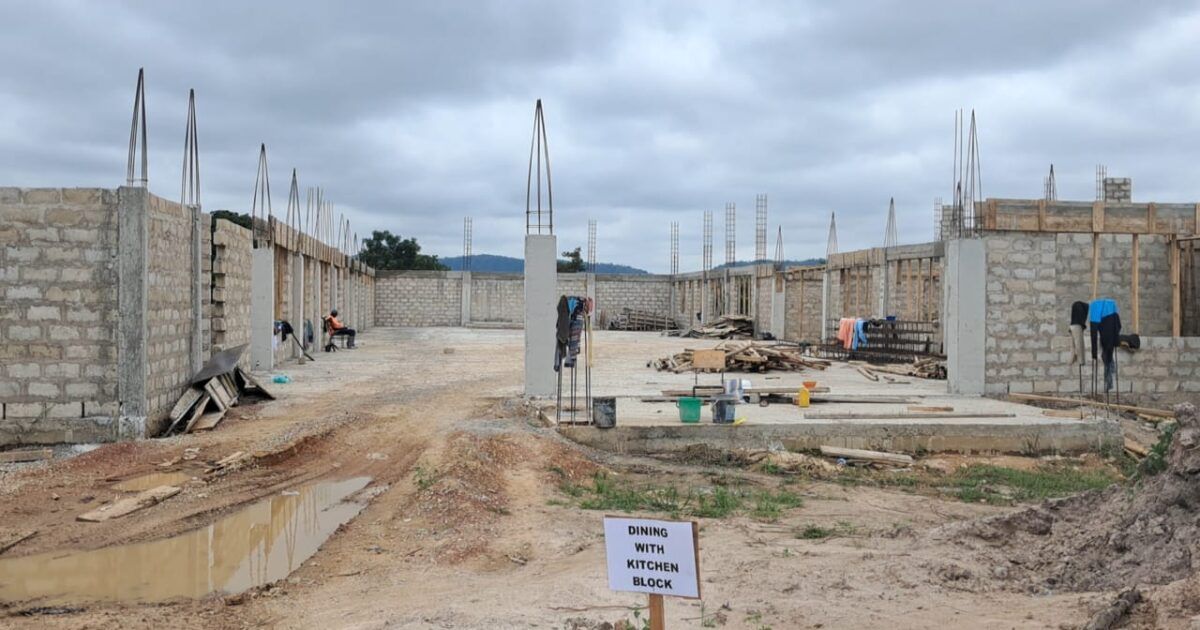
Dr Okrah also announced that the Authority had secured office space in Wa in collaboration with the Regional Coordinating Council and the Ministry of Food and Agriculture. He said the office is undergoing refurbishment and will be officially commissioned in two weeks to fully decentralise the TCDA’s regulatory and developmental operations in the Upper West Region.
Looking ahead, the TCDA plans to use the MATCO farm as a learning hub for northern growers, providing training, technology and market linkages that could transform the region’s tree‑crop sector.