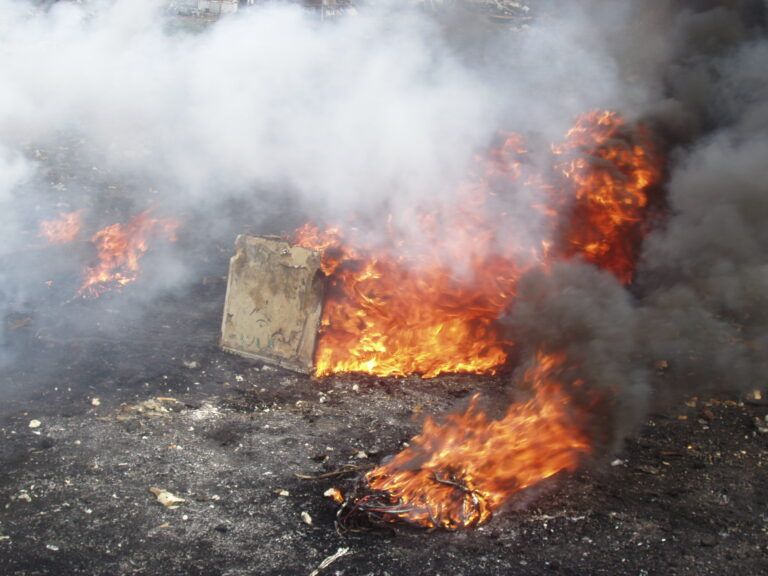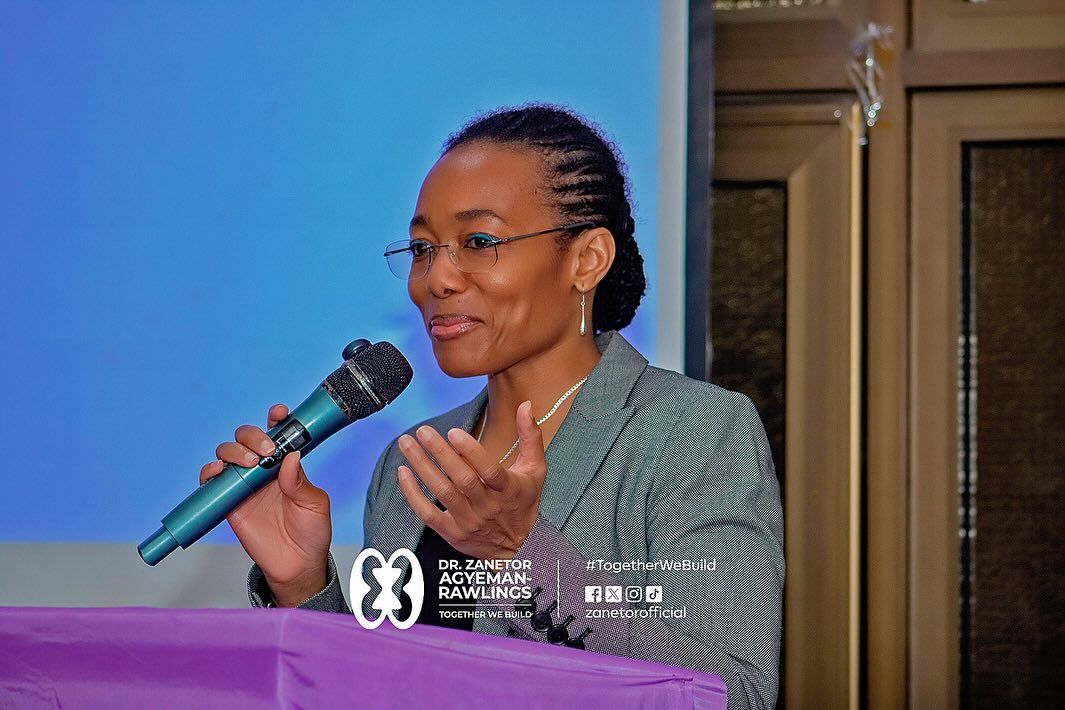
Dr Zanetor Agyeman‑Rawlings, Minister for Environment, Science and Technology, told chiefs, religious leaders and politicians at the launch of the National Water Restoration and Rehabilitation Framework in Ho that begging for persons arrested for illegal mining and other activities polluting Ghana’s water bodies is counter‑productive. She said such interventions undermine efforts to protect the country’s natural resources and must stop.
Speaking on the threat that illegal mining poses to national security, the minister urged Metropolitan, Municipal and District Assemblies to enforce environmental regulations and safeguard communities from further degradation. She called on the Environmental Protection Authority (EPA) to work with the Water Resources Commission, security agencies, local assemblies and traditional authorities to map polluted water bodies, identify pollution sources and protect designated river buffer zones.
Dr Agyeman‑Rawlings directed the EPA to establish baseline water‑quality data, set measurable restoration targets and collaborate with research institutions such as the CSIR Water Research Institute and the Ghana Atomic Energy Commission. She warned that dredging alone cannot remove harmful contaminants and that scientific evidence must guide river restoration.
The minister highlighted that the EPA will submit regular environmental performance reports to the Ministry, and that 2027 has been declared the Year of Pollution Control, with river and land restoration, air‑quality regulations and pesticide bans among the planned interventions.
“When those who are engaged in this criminal activity of poisoning our water bodies and our land are apprehended, arrested, please don’t go and beg for them,” she said. “We cannot continue to point fingers at the government for not doing its part if we keep intervening, whether it’s as traditional leaders or religious leaders or elders or politicians. It’s time for us to accept the fact that these are criminals engaged in criminal terrorism.”