After the Black Stars’ 2-0 loss to Côte d’Ivoire and a 4-2 defeat to Gambia in the 2027 Africa Cup of Nations qualifiers, the New Patriotic Party (NPP) and the National Democratic Congress (NDC) have turned their focus to the Ghana Football Association (GFA) and its leadership. Both parties have historically used football outcomes as a political lever, attaching success to the ruling party and assigning blame when results fall short.
During a campaign rally in Akim Oda on 19 November 2024, then‑NDC flag‑bearer John Mahama blamed the NPP government for the team’s failure to qualify for the 2025 Africa Cup of Nations, accusing the administration of “bad governance” over the past eight years. In January 2024, NDC parliamentary candidate Edem Agbana alleged that Gabby Asare Otchere‑Darko, a figure linked to the NPP, had influenced the appointment of Chris Hughton as the Black Stars head coach.
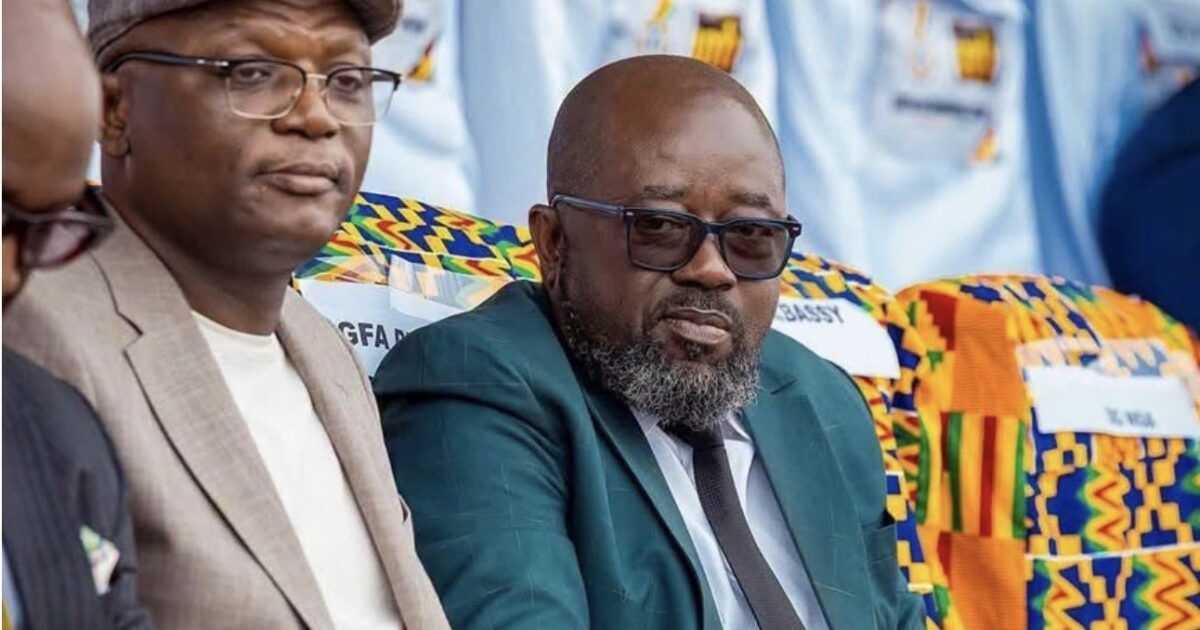
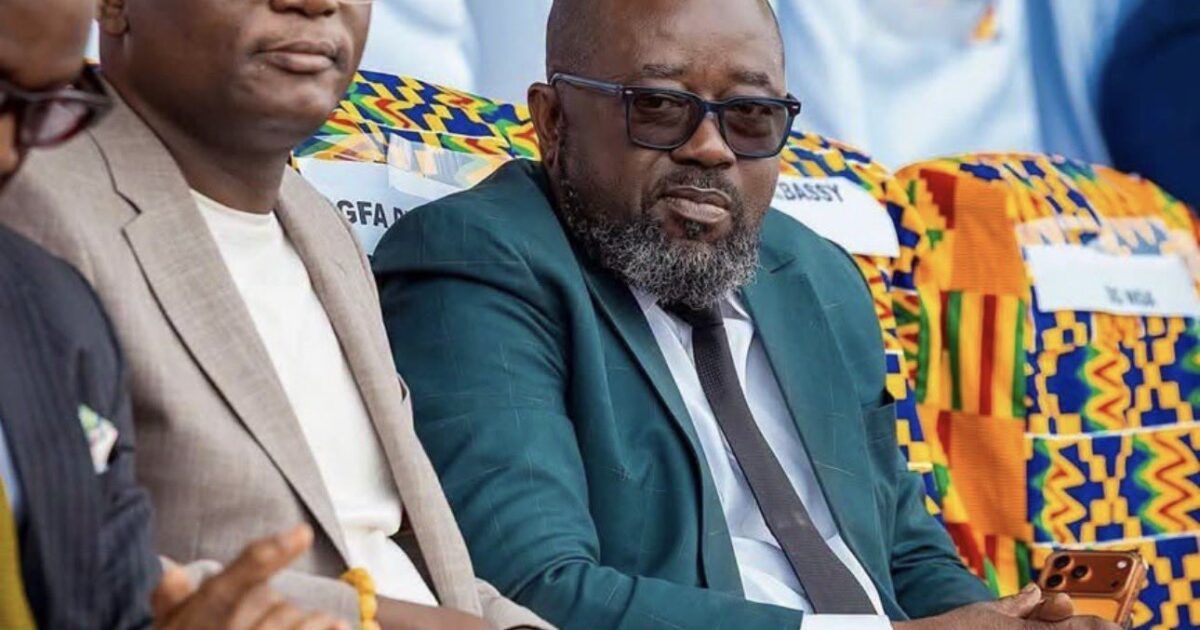
On 30 September 2026, the NPP minority caucus in Parliament issued a statement calling for an independent audit of the Black Stars’ technical and administrative structures. Vincent Ekow Assafuah, Ranking Member of the Youth and Sports Committee, demanded a review of the GFA’s governance framework, player selection, technical appointments, national‑team expenditure and long‑term development strategy. Seth Panwum, the NPP’s sports spokesperson, urged the resignation of GFA President Kurt Okraku, citing deeper problems in football management and preparation.
Both parties argue that, because the government finances national‑team activities, it should have a say in how the GFA is run. However, the GFA maintains that national‑team expenditure is channeled through the Ministry of Youth and Sports, not directly into its accounts. The debate raises a key question: where does legitimate political oversight end and interference in football governance begin?
Criticism of the GFA president can be legitimate, but the political value of assigning blame should not replace a comprehensive assessment of the association’s governance, administration, development programmes and the conditions it creates for national teams. The challenge for Ghana is to establish a relationship in which the GFA remains independent enough to make football decisions without partisan pressure, while the government maintains its role in infrastructure provision, youth development and transparent funding arrangements.
What follows is a continued call from both parties for reforms and accountability, with the GFA expected to respond to parliamentary demands and to clarify its governance structures in the coming weeks.