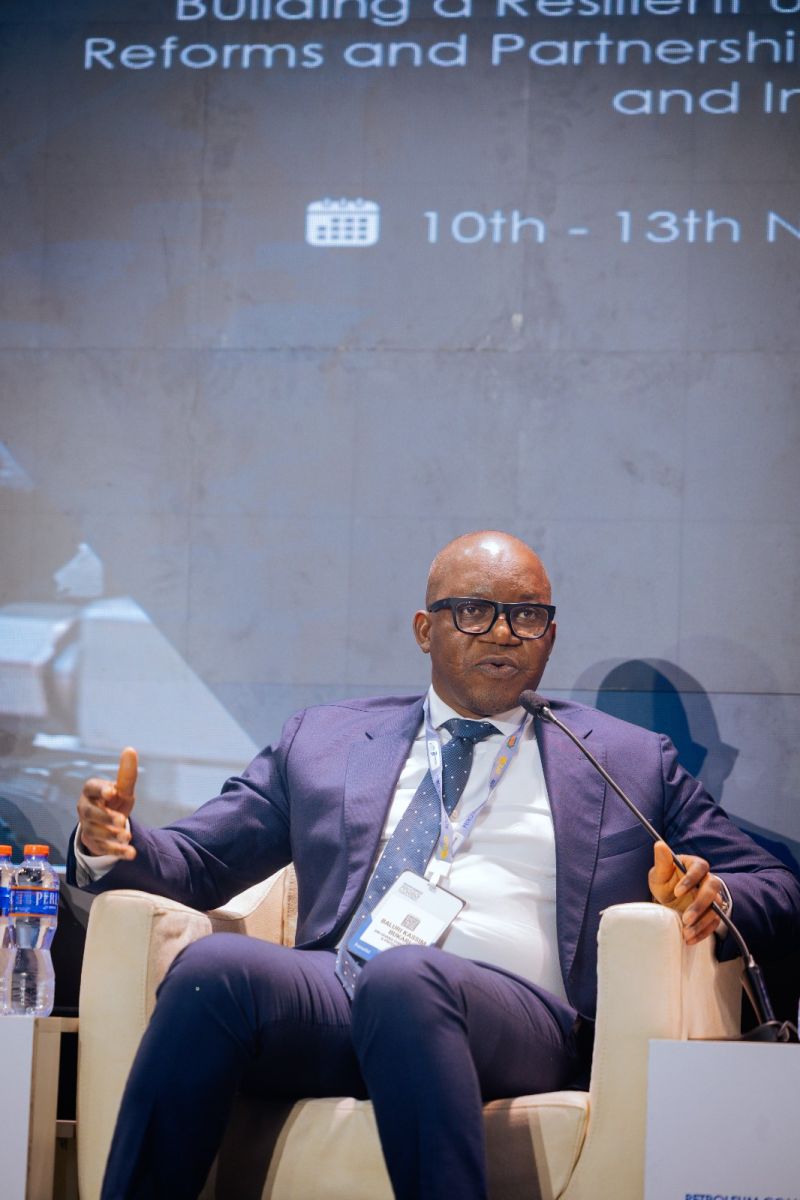
On Saturday, November 14, Senyo Hosi, convener of the OneGhana Movement, called the Narcotics Control Commission (NACOC) a highly under‑resourced institution, arguing that Ghana’s drug problem now includes a surge in synthetic substances that threaten young people.
Hosi spoke on JoyNews’ Newsfile, noting that NACOC still operates with insufficient personnel, equipment and logistical support. He recalled seeing officers stationed at some border points without proper offices, some even forced to work under trees. Drawing on his oil‑sector experience and conversations with a former NACOC head, he said the Commission’s staff have been operating under difficult conditions.
Although NACOC has expanded its presence from about eight districts before the current government to 81 districts, Hosi warned that expansion must be matched with adequate resources to strengthen operations. He urged the government to broaden its approach beyond cocaine, stressing that synthetic drugs are a serious problem, especially for Ghana’s youth.
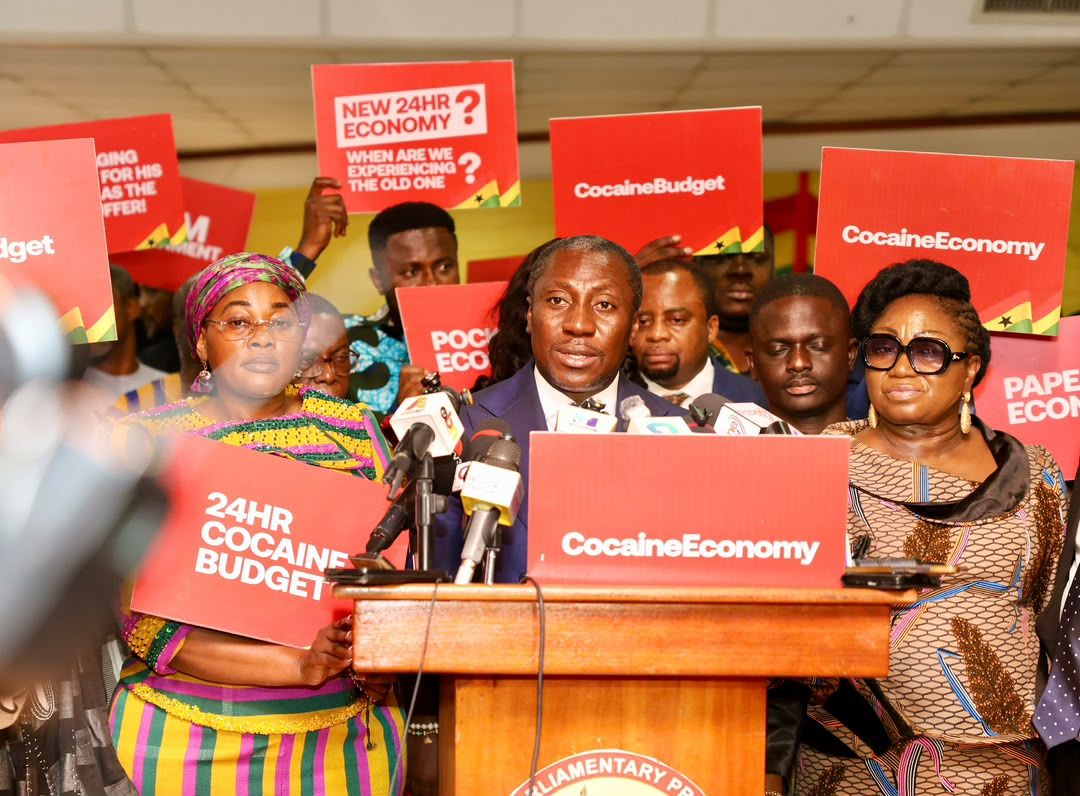
Hosi also expressed disappointment that the 2027 Budget did not give sufficient attention to the drug menace or the resources required by NACOC, arguing that the issue deserves higher national priority. He called for more than just a wider presence; officers must be equipped with the tools and logistical support needed to detect and disrupt drug trafficking.
In closing, Hosi warned that Ghana, while a transit point for cocaine consignments, must also confront the growing domestic consequences of drug use. He urged families, particularly middle‑class households, to recognise that young people across society could be exposed to synthetic drugs.