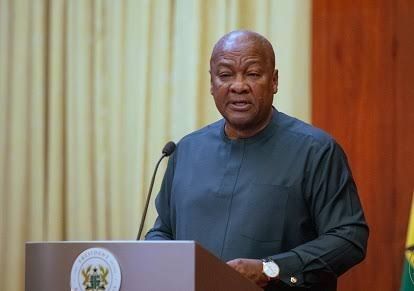
President John Dramani Mahama addressed the Oti Regional House of Chiefs at the Jubilee House, calling on traditional authorities to join forces with the government to quell recurring ethnic violence and chieftaincy disputes in Nkwanta South and surrounding areas.
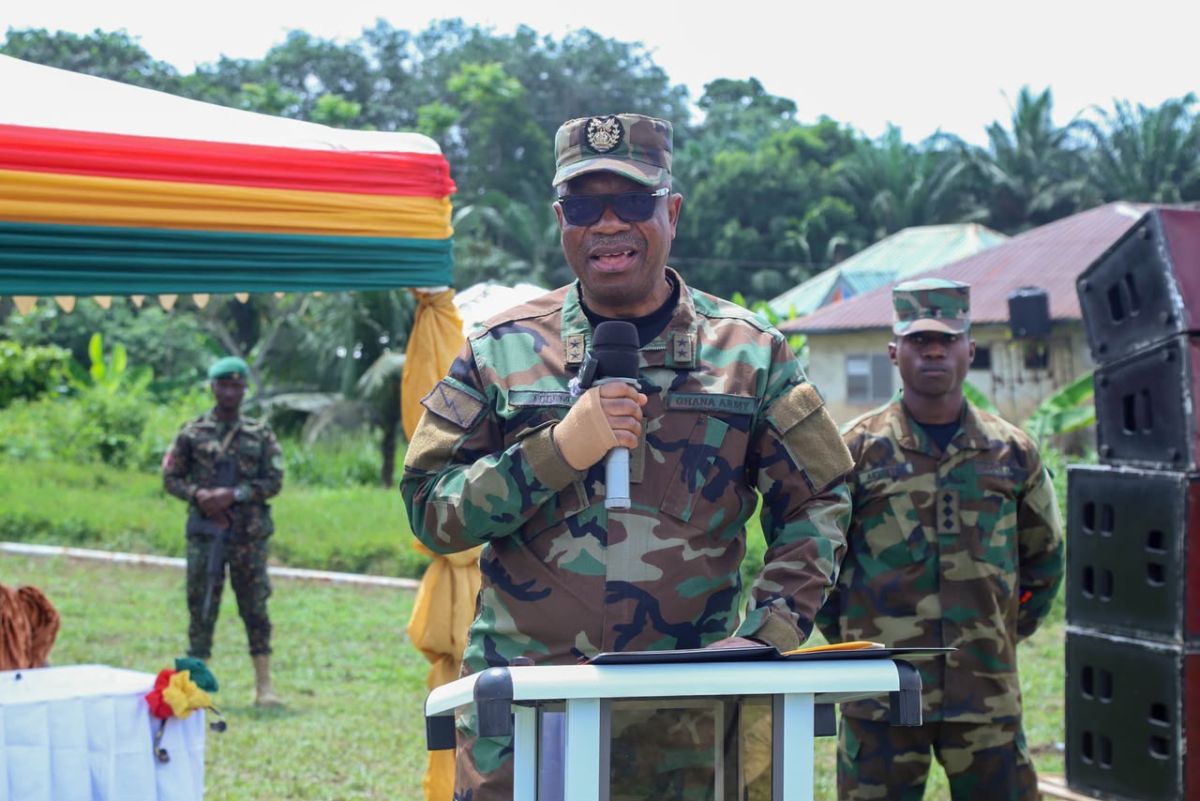
During the courtesy call, Mahama noted that security forces, including military and police, had been deployed to manage tensions and that the situation seemed to be improving. He said, “We’ve been having issues with chieftaincy disputes and land disputes, especially in the Nkwanta area. We’ve had to mobilise security forces, soldiers, police, and all that. I’m happy to say that recently it looks like things are calming down, and we hope that all the chiefs, especially the House of Chiefs, will help us to resolve the issues between the ethnic groups in that area.”
However, Nana Soglo Alloh IV, President of the Oti Regional House of Chiefs and Paramount Chief of the Likpe Traditional Area, warned that the conflicts posed a national security threat and urged decisive government action. He stated, “The region is currently experiencing serious ethnic and chieftaincy conflicts, and these are of national security concerns. Chieftaincy conflict is therefore a threat to national security, which the government must take seriously, particularly the Nkwanta conflict.”
In response to the improved security climate, the Ministry of the Interior lifted the curfew that had covered parts of the Nkwanta South Municipality, including Keri, Abrewanko, Nyambo, Shari and others, after a November 19 statement citing the National Security Council’s advice. The ban on possession of arms and ammunition in the municipality remains in force, with police warning that offenders will be arrested and prosecuted.
The government has urged chiefs, opinion leaders, youth and residents to exercise restraint and channel grievances non‑violently to secure lasting peace in the region.