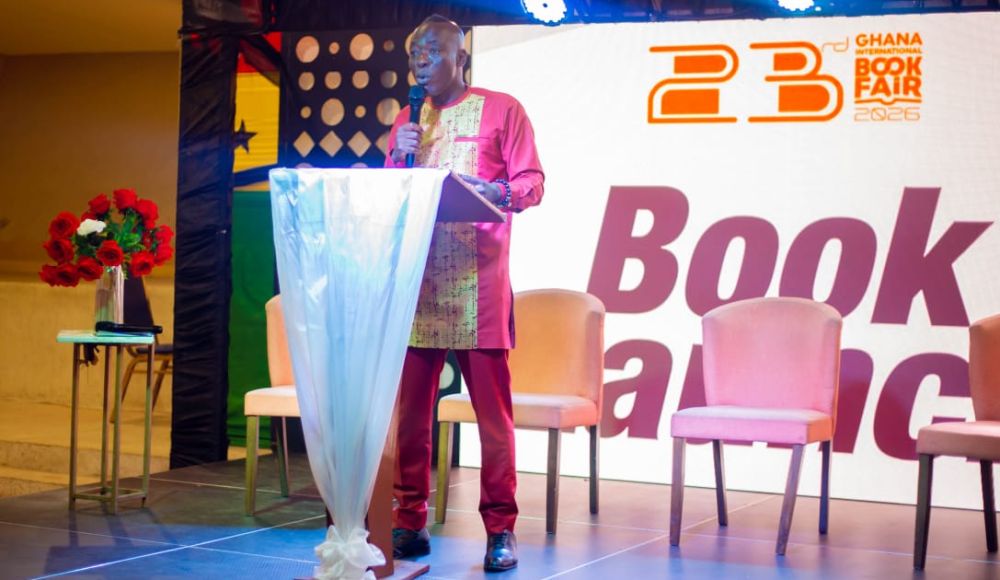
Prof. Samuel Kojo Kwofie, Director of the Institute of Applied Science and Technology at the University of Ghana, spoke at the launch of The Book Industry Programme in Ghana: From Dream to Reality and Beyond during the 23rd Ghana International Book Fair 2026 at the National Theatre in Accra. He urged publishers to incorporate Ghanaian knowledge systems into the data that train artificial intelligence (AI) models, arguing that this would help decolonise the technology and promote culturally inclusive development.
Prof. Kwofie noted that AI already influences publishing through automation and digitalisation, yet cautioned that it should not replace human creativity and responsibility. He emphasised that ethics, plagiarism and cognitive ownership must underpin creative writing, and that authors and publishers remain essential to the industry’s integrity.
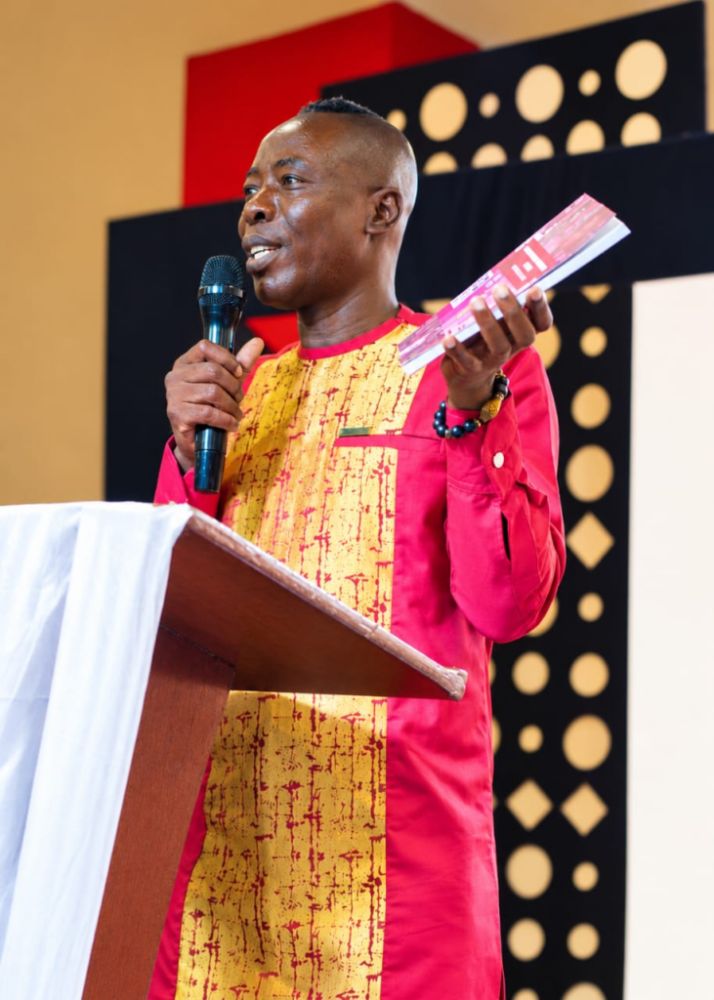
While acknowledging AI’s potential to improve efficiency, reduce production time and streamline processes, the professor called for a balance between technological advancement and the growth of indigenous capacity. He encouraged stakeholders to use emerging AI tools while ensuring that Ghanaian knowledge and locally developed solutions remain central.
Reviewing I.K. Appiah’s book, Prof. Kwofie praised it as a strategic resource that could strengthen Ghana’s publishing industry, create networking opportunities, and support professional growth. He highlighted the book’s coverage of the Publishing Studies Programme’s nearly four‑decade journey at KNUST, noting its broader impact on the knowledge ecosystem.

The academic also pointed to the digital age’s changing nature of books, stressing that publishers must adapt to new technologies while keeping Ghanaian content relevant and accessible. He urged young people to consider publishing studies as a viable academic and professional path, given the sector’s cross‑sector applicability.
Moving forward, Prof. Kwofie will continue to advocate for a publishing environment that blends technological innovation with indigenous wisdom, ensuring that AI serves as a tool rather than a replacement for human creativity.