The Ghana Meteorological Agency (GMet) has urged churches, mosques and other religious institutions to support community preparedness for the anticipated impacts of the intensifying El Niño phenomenon. The Agency believes places of worship can serve as community early‑warning and support centres by helping to communicate weather information, educate congregations and coordinate assistance for vulnerable people during climate‑related emergencies.
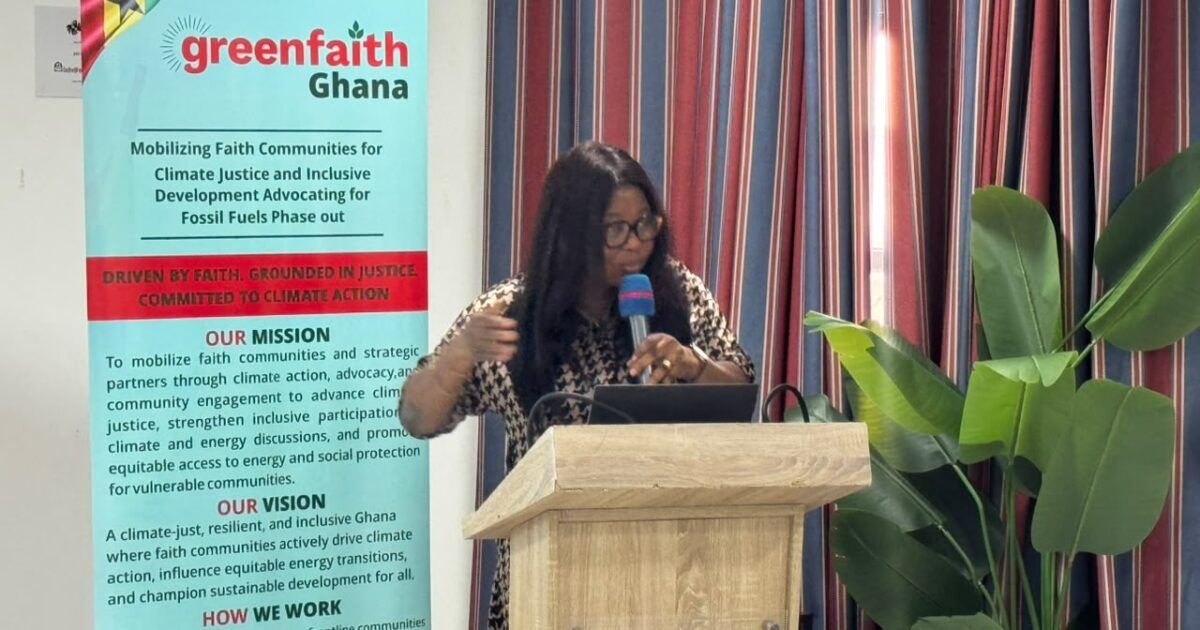
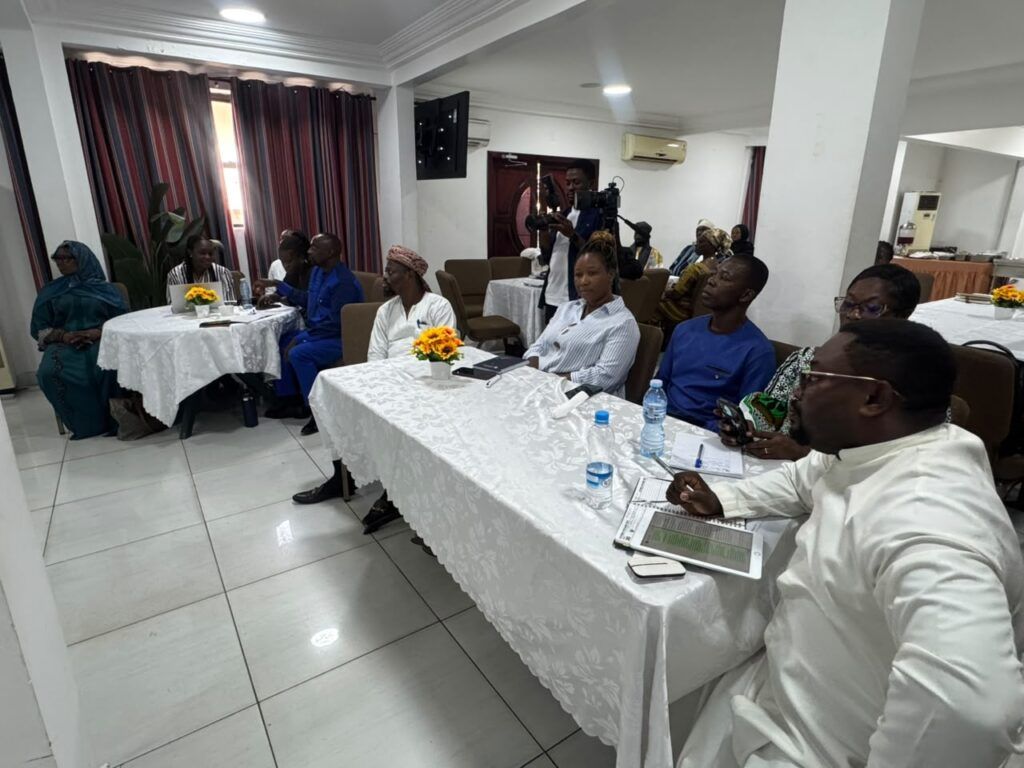
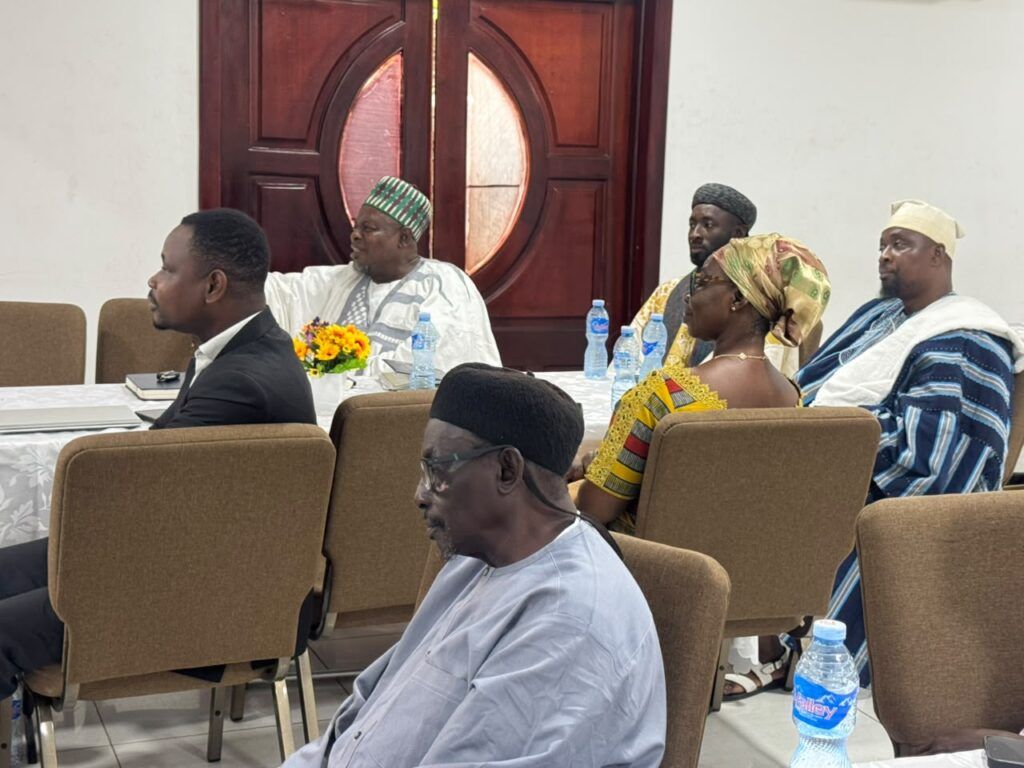
Deputy Director of Research and Applied Meteorology at GMet, Francisca Martey, highlighted the importance of coordinated preparedness at a breakfast meeting organised by GreenFaith Ghana to launch a faith‑led resilience initiative aimed at strengthening the capacity of religious leaders to respond to El Niño‑related risks. The initiative, titled “Strengthening the Capacities of Religious Leaders and Places of Worship to Anticipate, Prepare for, and Respond to the Risks Posed by the Current El Niño Event,” seeks to position faith institutions as partners in climate‑risk communication and community resilience.
Ms Martey warned that agriculture, water resources, electricity generation, public health and infrastructure could face significant pressure over the coming months. She identified rain‑fed agriculture as particularly vulnerable, noting that prolonged dry spells and delayed rainfall could affect food production in different parts of the country. “Rain‑fed farming is most exposed. Cocoa yields and bean quality fall and black pod rises,” she said. She also cautioned that late rainfall onset and dry spells could threaten maize, millet and rice production in northern Ghana, with possible implications for food prices.
On water resources, Ms Martey said reduced rainfall in the Volta Basin could lower inflows into Volta Lake, while sudden, intense rainfall after prolonged dry spells could create flooding and require emergency spillage from the dam. She added that reduced water inflows could constrain electricity generation at the Akosombo and Kpong hydroelectric facilities, potentially forcing increased reliance on more expensive thermal power generation, which could raise fuel and foreign‑exchange costs and create electricity supply challenges without early intervention.
Ms Martey also identified public health risks, particularly the possibility of increased meningitis cases in northern Ghana due to dusty Harmattan conditions, as well as heat‑related illnesses, malnutrition and cholera outbreaks following flooding. She warned that infrastructure, fisheries and livelihoods could also be affected, with bushfires threatening forests and rural assets, while reduced water levels in the Volta could affect lake fishing and aquaculture. Changes in ocean temperatures could also influence marine fish catches.
She said the El Niño phenomenon was confirmed and still intensifying, with October to December 2026 identified as the most likely period for its peak. Dry spells in northern Ghana and flash‑flood risks in parts of the south were already emerging. From October to December 2026, intensified Harmattan conditions are expected to begin alongside declining Volta Lake inflows. Between January and March 2027, the peak dry season is expected to bring heightened risks of meningitis and wildfires. The phenomenon is expected to weaken between April and July 2027, although the onset of the major rainy season remained uncertain.
Ms Martey recommended the establishment of a national El Niño task force with monthly reporting arrangements and district‑level hazard maps to coordinate preparedness. She also called for improved monitoring of Volta Lake trigger levels, agricultural weather advisories and meningitis surveillance. Other recommended measures include promoting drought‑tolerant crop varieties, diversifying energy sources, pre‑positioning vaccines and emergency relief supplies, and reviewing the adequacy of disaster‑response funding. She further encouraged engagement with regional and international institutions, including ECOWAS and World Meteorological Organization centres, to strengthen preparedness. GMet will continue monitoring the phenomenon and issue updated seasonal forecasts to guide decision‑making. “Prepare now for the October 2026 to March 2027 risk window,” she urged.
Deputy Director of the National Disaster Management Organisation (NADMO) in the Korle Klottey Municipal Assembly, Mrs Esenam Adzo Norgey Apawu, also called for a collective approach to preparing for the anticipated climate impacts. She stressed that disaster preparedness should involve communities and traditional and religious institutions, rather than being left solely to government agencies. “Preparing for El Niño should not be left to government institutions alone. Religious leaders, traditional authorities and community members all have a role to play,” she said.
The initiative by GreenFaith Ghana seeks to connect these meteorological warnings with the community networks of churches, mosques and other places of worship. The Agency will continue to monitor the phenomenon and provide guidance as the risk window unfolds.