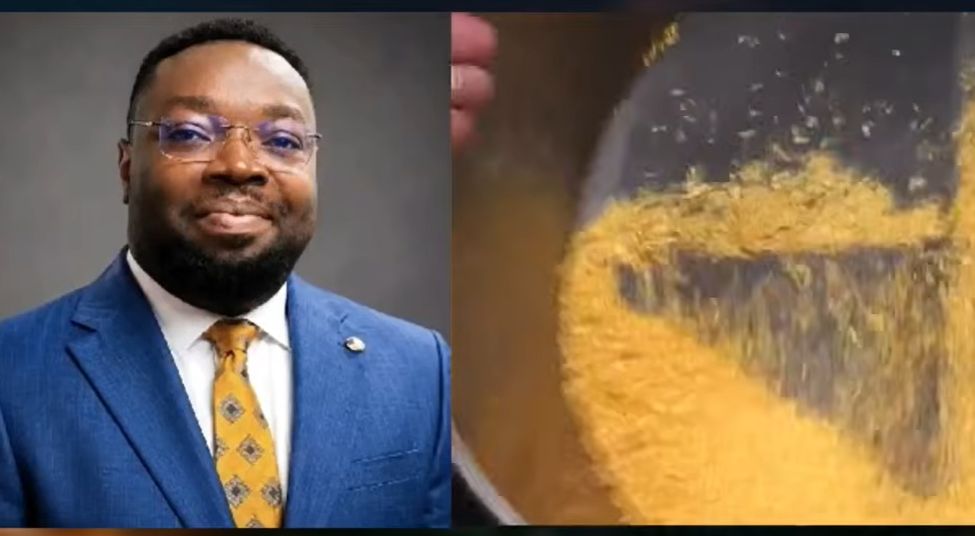
Prince Kwame Minkah, Media Relations Officer of the Ghana Gold Board (GoldBod), announced that 5.4 of the 5.7 tonnes of gold purchased by the Board in October 2026 were processed locally, amounting to 94.6 percent of the total.
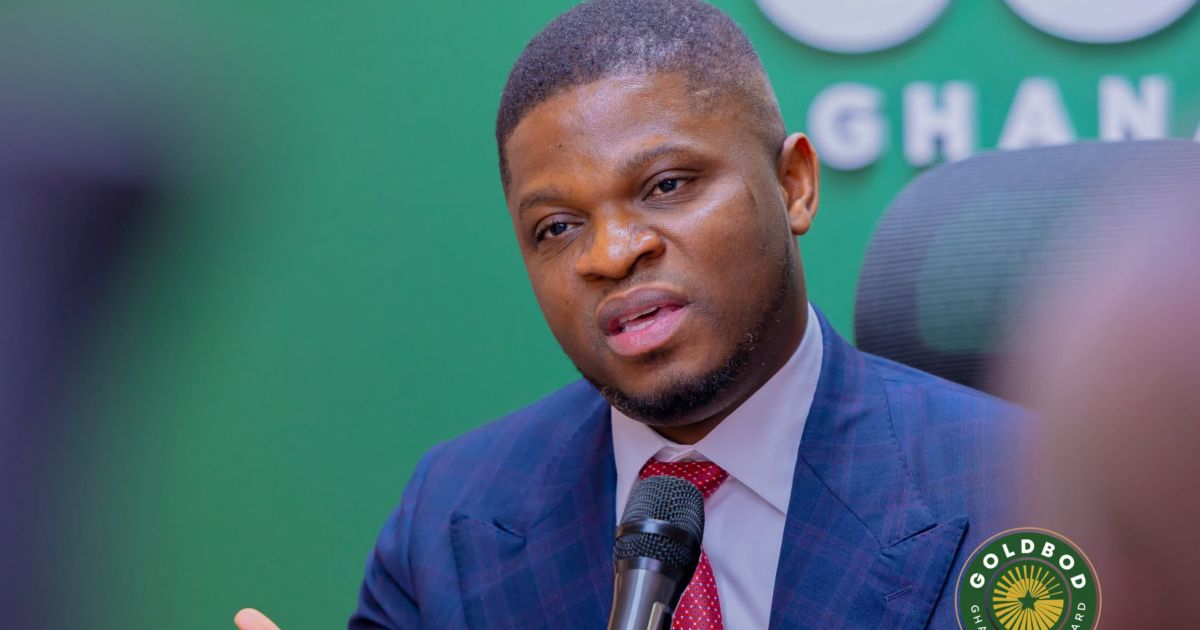
Speaking on Joy FM’s PM Express on Wednesday, November 18, Minkah said the achievement reflected the growing capacity of Ghanaian refineries to handle gold bought by the Board. He cited figures released by GoldBod Chief Executive Officer Sammy Gyamfi at the African Minerals Policy Forum’s Mining in Motion conference in October.
The Board’s progress is attributed to partnerships with two privately owned Ghanaian facilities – Gold Coast Refinery and Royal Ghana Gold Refinery – which have entered into refining arrangements with GoldBod. Each facility can process about 2,000 kilograms of gold weekly, provided the necessary logistics are available.
Gold Coast Refinery has also partnered with South Africa’s Rand Refinery, the only London Bullion Market Association (LBMA)‑accredited refinery in Africa, a relationship expected to help meet international refining standards. Both Ghanaian refineries are working toward LBMA accreditation within the next three to five years, with regulatory guidance from GoldBod.
GoldBod is also planning to establish its own state‑of‑the‑art refinery as part of a broader strategy to expand domestic processing capacity and reduce dependence on foreign facilities.
In addition, GoldBod introduced a mandatory local refining requirement for self‑financing aggregators, effective September 1, 2026. The directive requires gold doré purchased under approved offtake arrangements to be refined in Ghana before export; unrefined doré is no longer approved for export.
The policy aligns with the government’s ambition to move Ghana away from exporting raw minerals and achieve zero raw mineral exports by 2030.
GoldBod’s strides in local refining are expected to boost the country’s economy by retaining more value from its gold resources and strengthening domestic industry.