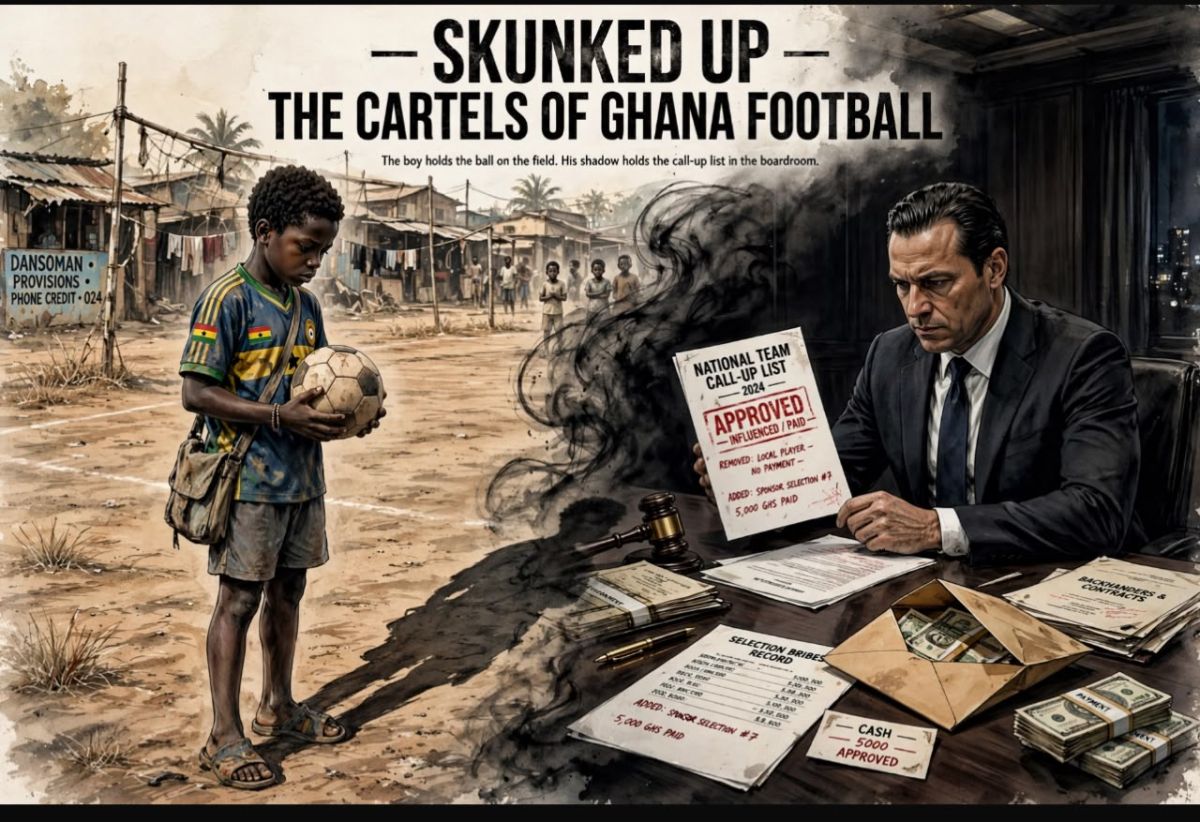
In Ghana, the debate over how national football players are selected has resurfaced with fresh accusations that club owners and sponsors are swaying call‑ups. Critics argue that merit has been eclipsed by money, with reports that players who bring cars or financial backing are favored over equally or more talented peers.
Former players and fans recall a time when local clubs in areas like Dansoman were run by community figures who chose squads based on personal connections rather than skill. This practice, they say, has not disappeared but has moved up to the highest levels of the sport, including national team appointments.
“When selection stops being about merit and starts being about who brought a car, who knows who, who pays who, and who manages who, we end up exactly where we are,” a former player said, highlighting how talent is lost to disjointed performances on the international stage.
Incidents such as a boy with limited football ability receiving a starting berth because his family arrived with a car have been cited as emblematic of the problem. The narrative points to a broader culture of corruption that extends beyond football, touching schools, churches, and workplaces across Ghana.
Supporters of the current system argue that the management of the sport has improved, yet the public outcry continues, with calls for transparent, merit‑based selection processes. The Ghana Football Association has yet to respond formally to these allegations, leaving the future of national team cohesion uncertain.
What will happen next remains to be seen, but stakeholders are urging reforms to ensure that the national side reflects true talent and not financial influence.