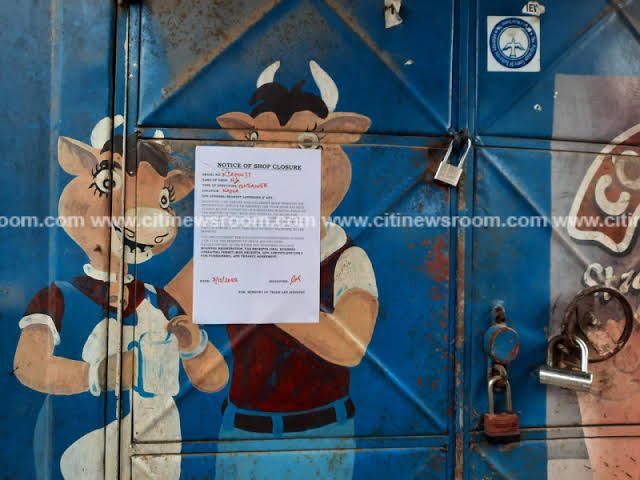
Ghana’s retail landscape is split between bustling markets and sleek shopping malls, a divide that has sparked fresh confrontations between local traders and foreign retailers. The latest skirmish in Suame Magazine involved foreign spare‑parts dealers and indigenous traders, highlighting ongoing disputes over competition and market access.
Foreign businesses, from China Mall to a growing roster of organized complexes, lure consumers with convenience, variety and often lower prices. Yet, when these operators set up shop in markets reserved for Ghanaian participation, friction rises. The Investment Promotion Authority Act, 2026, allows foreign participation in eligible trading enterprises but explicitly reserves petty trading, hawking and stall selling for citizens and wholly Ghanaian‑owned firms.
While a foreign‑owned store in a mall operates under one regulatory framework, a market trader falls under another. Critics argue that the rules are not enforced consistently, citing recent Ghana Revenue Authority operations that targeted China Mall outlets for compliance checks. Local traders, many with limited capital and high credit costs, feel disadvantaged by the scale and supply chains of foreign competitors.
Proponents of foreign investment counter that such businesses should deliver more than cheaper goods: they should create jobs, source locally and strengthen domestic supply chains. The debate centers on whether the expansion of foreign retail truly benefits Ghana’s economy or merely exploits market gaps.
Ghana’s government faces a dual challenge: protect indigenous traders without stifling competition and ensure that foreign operators comply with tax and commercial laws. A balanced approach would require clear, consistently applied rules that allow market openness while preventing unfair practices.
As the country navigates this delicate balance, the next steps will involve reviewing enforcement mechanisms and possibly redefining market regulations to foster a healthier, more inclusive retail environment.