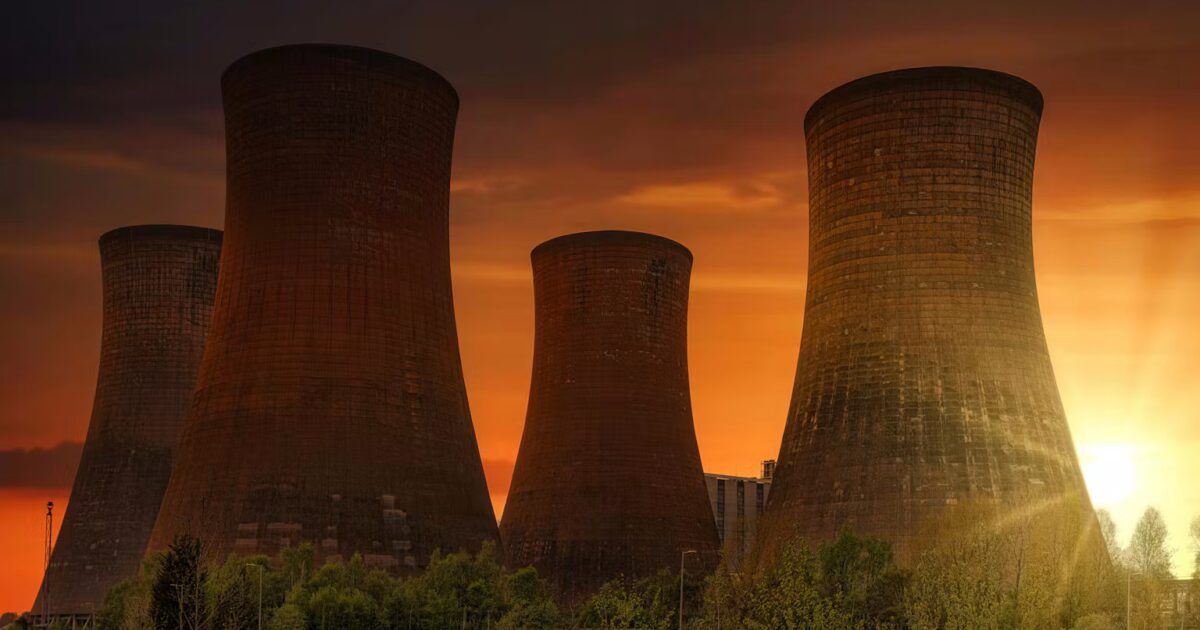
Ghana’s 2027 Budget has set aside US$200 million for a 24‑month nuclear readiness programme, running from January 2027 to December 2028. The funds will cover site studies, technology selection, environmental assessment, financing, licensing, safeguards, emergency planning and the safety case. The goal is to finish readiness and sign an engineering, procurement, construction and financing contract for a fully state‑owned nuclear power plant by December 2028.
While the money is earmarked for preparatory work, it is not the full construction cost of a nuclear plant. The Budget makes clear that completing readiness in 2028 does not mean nuclear electricity generation will begin that year. The quality of the preparation will shape the eventual cost, safety, financing and delivery of the project.
Ghana’s nuclear ambitions date back to 1961 when President Kwame Nkrumah launched the Ghana Nuclear Reactor Project to build a research reactor and develop the human resources needed for future electricity generation. The Ghana Atomic Energy Commission was created to institutionalise that vision. After Nkrumah’s overthrow in 1966, the agenda stalled, but scientific work continued.
Under President Jerry John Rawlings, the Ghana Research Reactor, GHARR‑1, achieved first criticality in December 1994 and was commissioned in March 1995, giving Ghanaian scientists practical experience in reactor operations. The 2000s saw a renewed policy push: in 2007 President John Agyekum Kufuor set up a presidential committee chaired by Professor Daniel Adzei Bekoe to assess nuclear power’s role, leading the Cabinet in 2008 to include nuclear energy in Ghana’s electricity mix.
In 2015, President John Dramani Mahama’s first administration passed the Nuclear Regulatory Authority Act, 2015, Act 895, creating an independent regulator to oversee licensing, inspection and enforcement. Internationally, the International Atomic Energy Agency conducted Integrated Nuclear Infrastructure Reviews in 2017 and 2019. In 2022, President Nana Addo Dankwa Akufo‑Addo announced Ghana’s transition into Phase Two of the programme, moving towards construction after a policy decision.
The 2027 commitment is seen as an opportunity to move the long‑term plan forward with a defined funding proposal and timetable. It also offers a chance to build Ghanaian skills across engineering, construction, environmental management, law, finance, security and technical services. The extent of local benefit will depend on deliberate training and credible participation requirements for domestic businesses.
With Ghana’s electricity policy needing to support an economy that seeks to manufacture more goods, process more natural resources and support sophisticated businesses, nuclear power is being considered as part of a diversified, dependable generation mix. The next steps will involve detailed site assessments, technology selection and securing the necessary licences and safety approvals.