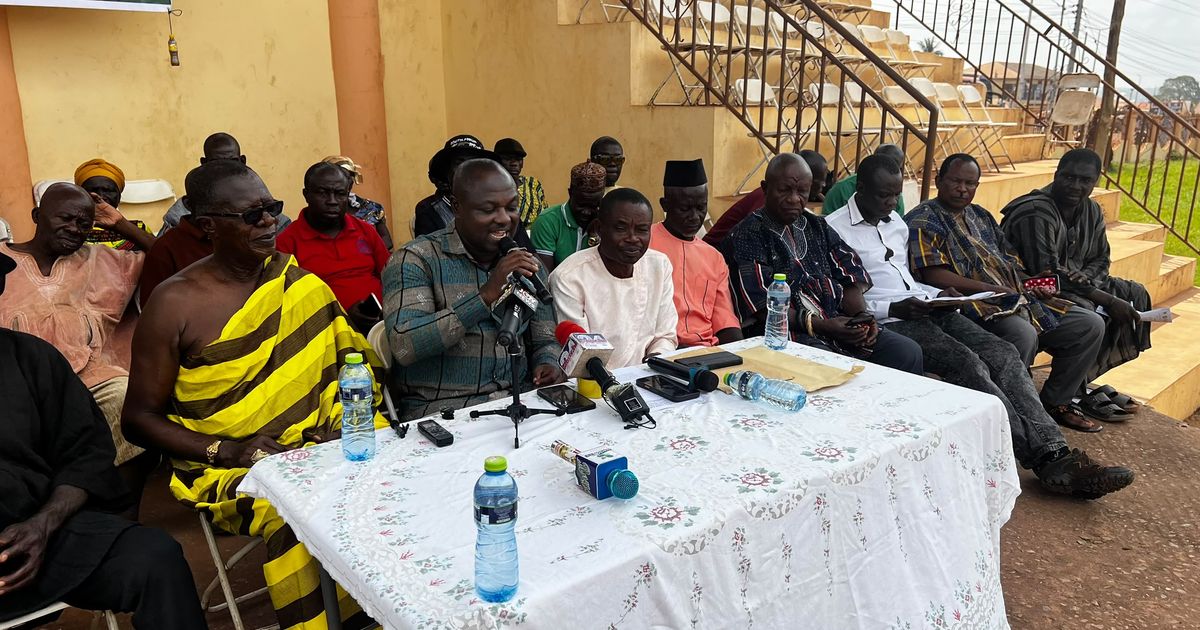
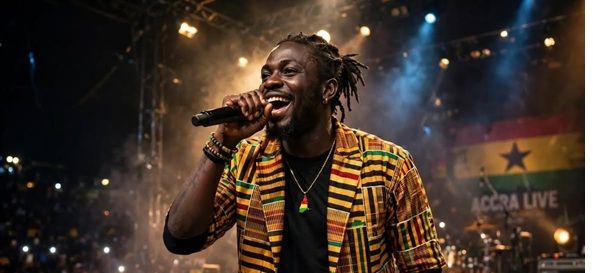
In recent months, a growing number of Ghanaian musicians have taken to organising free concerts, inviting dozens of fellow artists and drawing thousands of fans. The trend comes as the industry faces shrinking performance fees, limited support and a difficult path to sustainable income.
Artists are spending thousands of cedis on production, sound, lighting, publicity and security, yet the events often generate little or no revenue. While the crowds are impressive, the return on investment is unclear, and many musicians are left to explain how the shows benefit their bank accounts.
December has traditionally been a lucrative period for musicians, with diaspora returns, corporate events, festivals and private parties creating a high demand for live performances. Instead of moving from stage to stage to collect checks, some artists are now becoming promoters, financiers and marketing managers for their own shows.
This shift raises questions about whether the culture of artist‑led concerts is creating new money or merely redistributing the limited funds already available. When artists host free events that compete for the same audiences and sponsorships, the industry risks turning its most profitable season into an extended musical exchange programme.
Proponents argue that free concerts can be strategic, serving as brand‑sponsored events, album launches or community initiatives that deliver value without charging admission. Critics counter that without sponsorship, measurable returns or a clear commercial objective, such shows can become costly popularity contests that leave artists with debts rather than earnings.
The industry needs a clearer distinction between strategic concerts and ego‑driven productions. Before committing money, artists should develop a business plan, realistic budget, sponsorship strategy and revenue model. Working with professional promoters could also help create commercial opportunities and avoid the dilution of demand caused by competing free shows.
Fans deserve entertainment, and artists deserve appreciation. Yet the sustainability of the music scene depends on artists being able to turn talent and popularity into income. If the norm remains free concerts that cost artists more than they earn, the industry’s future could be at risk.