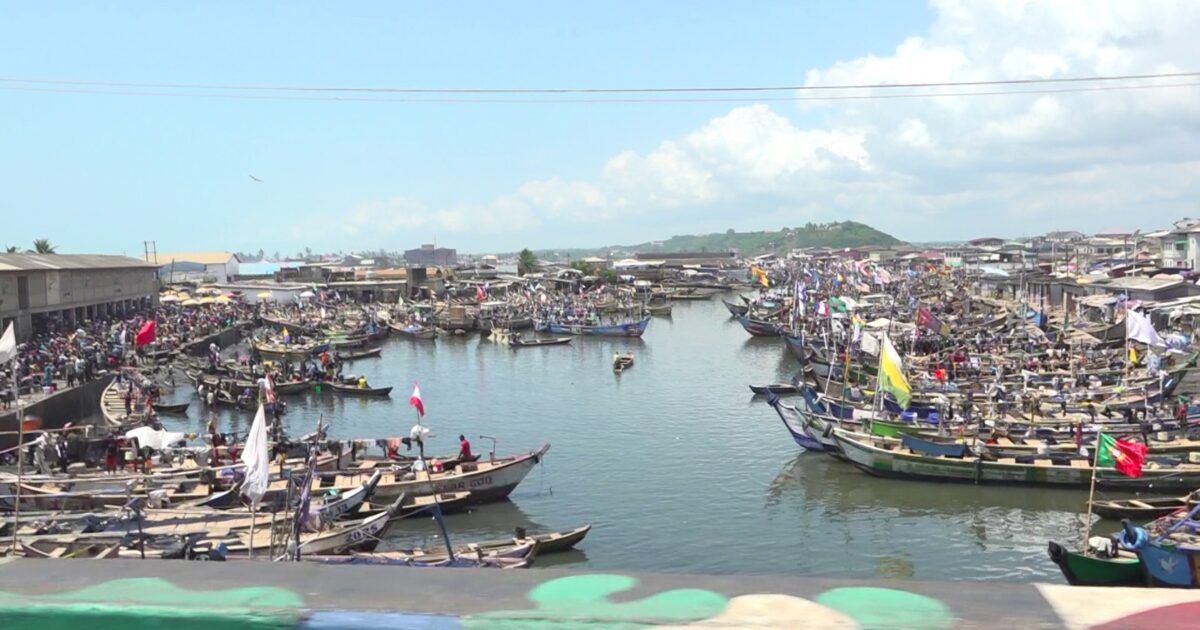
Fishmongers and other fisheries stakeholders in Elmina are demanding stricter enforcement of fishing regulations to clamp down on the use of artificial lights and harmful chemicals in fishing. They say that despite government interventions to curb illegal, unreported and unregulated fishing, some fishermen continue to engage in destructive practices that threaten marine resources, public health and livelihoods.
The stakeholders are also demanding an extension of the annual fishing closed season to cover artisanal canoe operators, arguing that an inclusive approach is necessary to allow fish stocks to recover. For generations, fishing has been the economic backbone of Elmina, supporting thousands of households, fishmongers, processors, canoe owners and traders.
Among the practices attracting attention are the use of powerful artificial lights to aggregate fish and the alleged use of chemicals such as DDT to capture fish. These practices have generated concerns among fisheries stakeholders, environmental advocates and residents about their potential consequences for marine ecosystems, food safety and the livelihoods of traditional fishing communities.
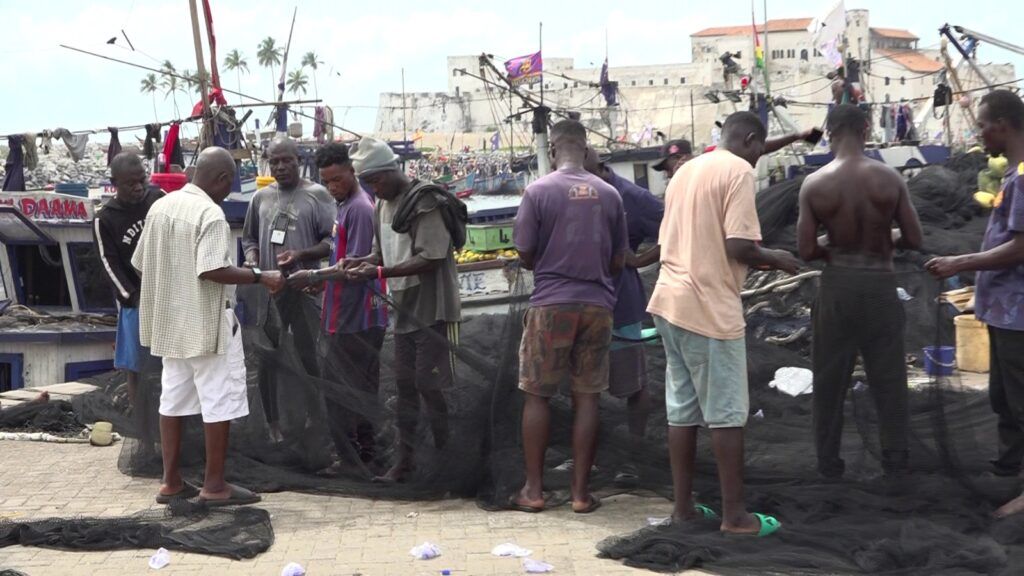
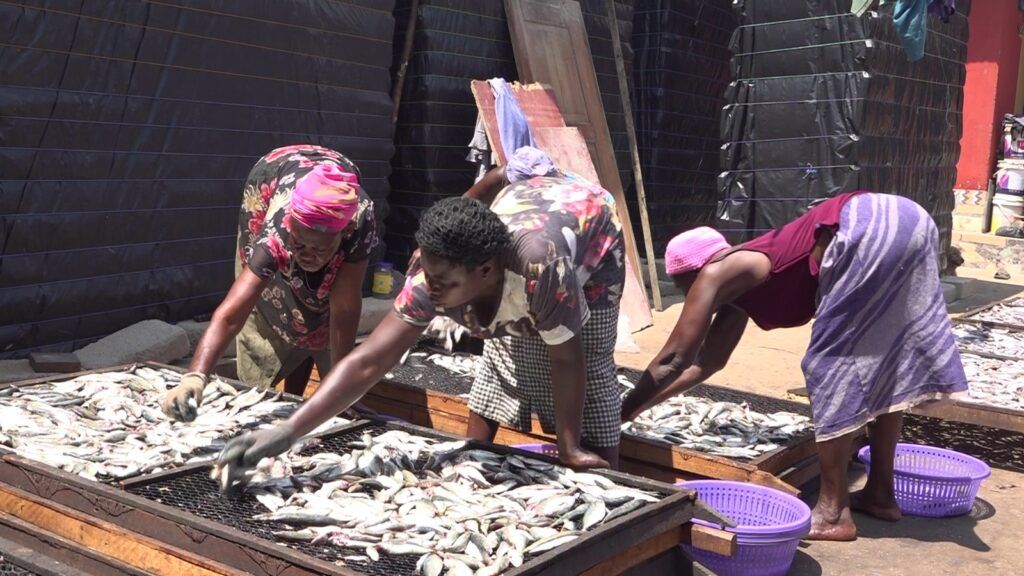
Beauty Deku, who has processed fish for export for the past three decades, said: "Whenever they bring any fish like that, you realise the colour changes. We export these fish to other countries. Government must enforce strict sanctions against fishermen who use chemicals to catch fish. There should also be regular quality testing at landing beaches to detect contaminated fish and ensure perpetrators are held accountable."
In addition to chemical fishing, fishermen in Elmina are also found to be involved in light fishing, which uses artificial illumination powered by generators to attract fish before capture. The Fisheries Commission says illegal, unreported and unregulated fishing practices, these practices and the use of unapproved fishing gear continue to threaten marine resources.
Acting Municipal Head of the Fisheries Commission at Komenda-Edina-Eguafo-Abrem Assembly, Stephen Asempa, said the Commission has intensified landing beach patrols and seized several generators suspected to be used for illegal light fishing. "We have been monitoring activities at the landing beaches to ensure that light fishing is completely eradicated, particularly during the closed season when small‑scale canoe operators are permitted to fish. We have tried to ensure that fishermen do not go to sea using light fishing methods. We intend to sustain and intensify the efforts to abolish light fishing. This will help protect our marine resources, preserve fish stocks and ensure the sustainability of the fishing industry," Mr Asempa said.
Beyond the challenges, Fisherfolk at the Elmina Fishing Harbour want an extension of the annual fishing closed season to artisanal canoe operators, arguing that a more inclusive conservation measure will help fish stocks recover and improve catches. Chief Fisherman, Ebusuapanyin Kofi Tawia, said the declining catches and difficult conditions confronting fishermen make it necessary for government to adopt measures that give fish enough time to multiply and grow. "The closed fishing season is a good initiative, but its implementation is discriminatory, as canoe fishermen are allowed to continue fishing while boat fishermen are barred. The boat fishermen are warning that they will resist the arrangement next year if the government fails to extend the closed season to cover all categories of fishing," he said.
The Ghana Agricultural and Rural Development Journalists Association (GARDJA), in collaboration with Earth Journalism Network, will amplify the concerns of fisherfolk and advocate policies that protect marine resources while safeguarding the livelihoods of fishing communities. President of GARDJA, Richmond Frimpong, said the engagement exposed the concerns of fisherfolk, particularly those whose livelihoods depend on the fishing value chain. He noted that some fisherfolk had acknowledged improvements in catches following the continuation of the closed season but believed extending the restriction to canoe operators would make the intervention more effective. "Government must step up its support for fisherfolk by providing the necessary resources and assistance to enable them to venture farther into the sea, where they can access and harvest more fish," Mr Frimpong stressed. GARDJA further urged fishermen to abandon the use of dynamite and unregulated chemicals, warning that such practices could affect marine resources and pose risks to consumers. The fisherfolk in Elmina, like others along the coastline, want sustainable and stringent policies that would protect their lives and livelihoods.