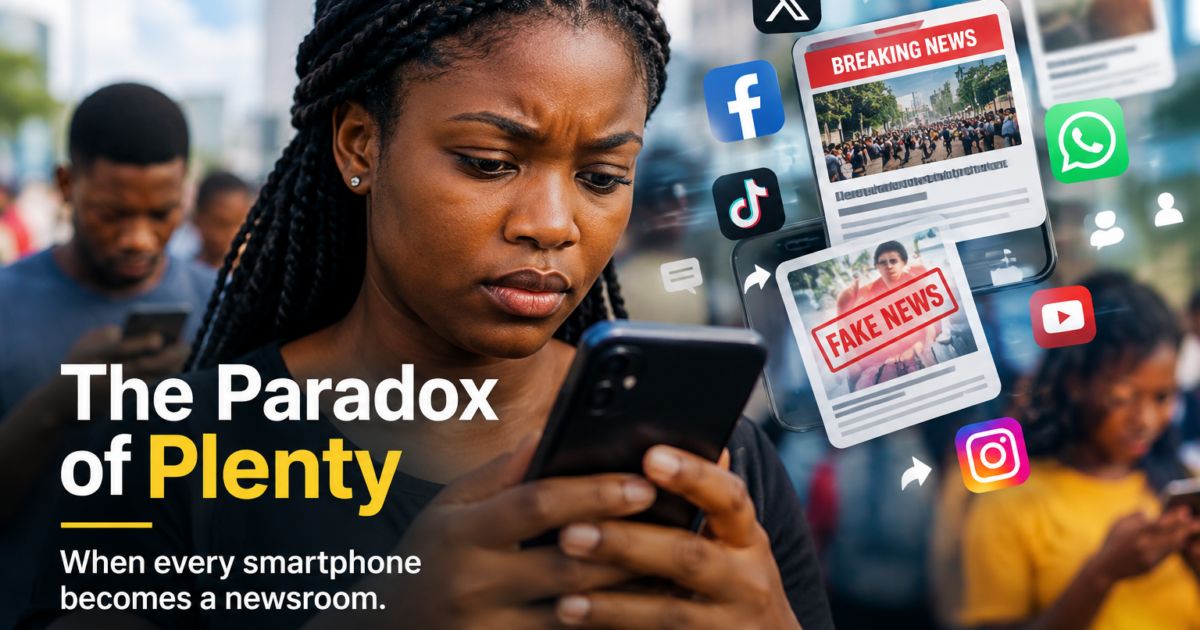
In Ghana, a smartphone, a microphone and a willingness to ask questions have turned ordinary citizens into the country’s newest reporters. The days when a story had to start in a newsroom, on a television set or in a newspaper office are fading. Now, a camera‑laden phone can bring an injustice to national attention within minutes, often before mainstream media even pick up the story.
Citizen journalists, bloggers and content creators are appearing on busy streets, marketplaces, hospitals, schools and police stations—places where official media rarely go. Their videos, live streams and posts can expose problems, highlight community issues and force officials to respond, sometimes even before a traditional outlet publishes a piece.
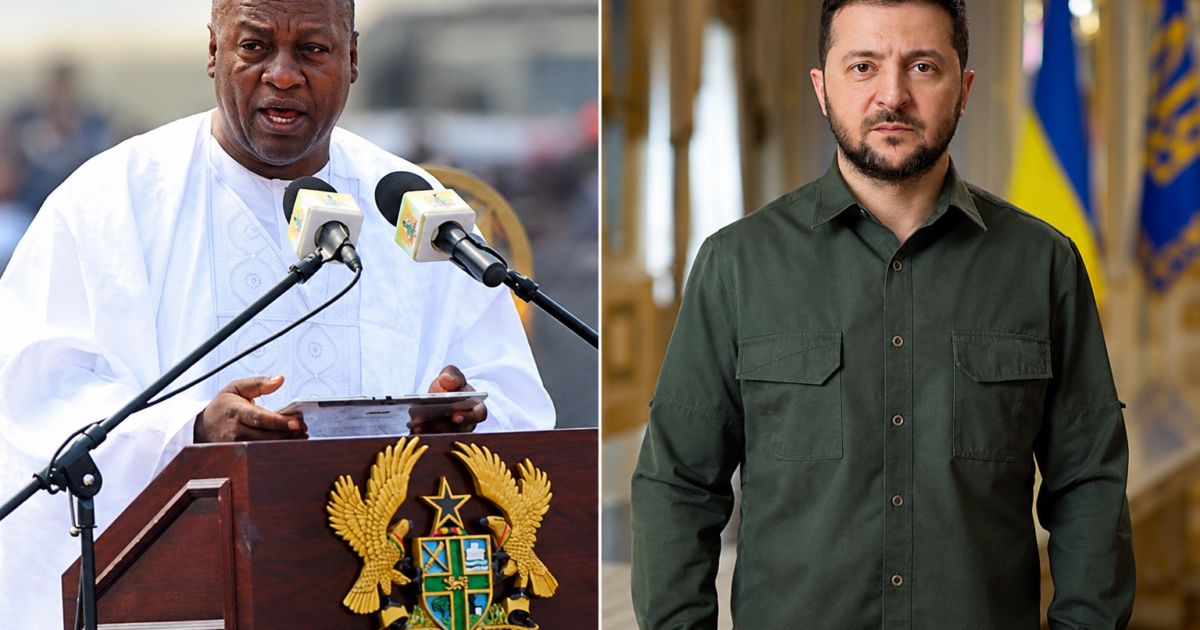
President John Dramani Mahama himself has publicly addressed social‑media claims, such as the April 2026 discussion about tricycles distributed under the Free Primary Healthcare Programme. This shows that the government now has to answer questions that originate from the public’s own devices.
While this digital shift is not a threat to journalism, it does bring responsibility. Not every smartphone holder is a journalist, and not every criticism is a protected right. The line between legitimate public‑interest reporting and personal attacks, falsehoods or harassment must be respected. Ghana’s 2026 World Press Freedom Index ranks it 39th out of 180, noting ongoing concerns about attacks on journalists and safety.
The balance lies in upholding free expression while ensuring accountability. Content creators should back serious claims with evidence, and the state should listen to legitimate concerns rather than dismiss them solely because they arrive via a phone. Likewise, courts must fairly adjudicate accusations against journalists or public officials when laws are allegedly breached.
As Ghana’s democracy evolves, protecting the space for all forms of journalism—whether from a major TV station, a newspaper or a responsible citizen—remains essential. The challenge is to prevent the digital revolution from becoming a licence for character assassination while preserving the right to speak and the public’s right to scrutinise power.