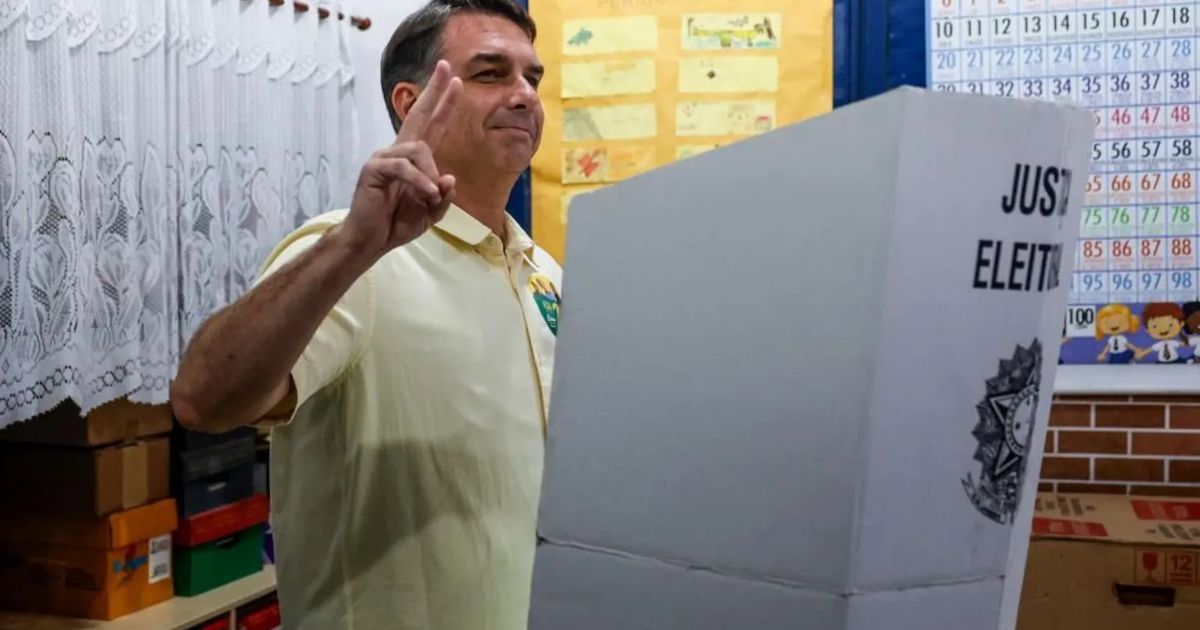
Flávio Bolsonaro, the son of former president Jair Bolsonaro, secured 47.03% of the vote in Brazil’s first‑round presidential poll, narrowly beating incumbent Lula da Silva who garnered 45.16% with 99% of ballots counted. The result, while a victory for the right‑wing, fell short of the 50% threshold required for an outright win, forcing a runoff between the two candidates on 25 October.
Bolsonaro’s performance exceeded expectations, especially given that Lula had been polling slightly ahead during the campaign. The Liberal Party, to which Bolsonaro belongs, also topped the charts in the election of governors, senators and federal deputies, positioning it as the most influential force in the upcoming Congress.
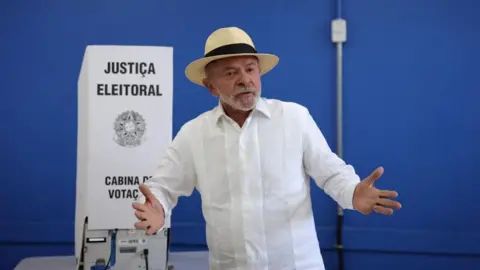
Both men are polarising figures in Brazilian politics. Lula, 80, warned after the vote that the choice was “between democracy and barbarism,” while Bolsonaro, 45, declared he wanted to “free the Brazilian people.” Their campaign themes—sovereignty, crime, the economy and corruption—have divided voters across the country.
Bolsonaro’s campaign has leaned heavily on right‑wing rhetoric and has pledged to grant amnesty to his father and his supporters involved in the January 8th riots. He also plans to designate major Brazilian gangs as terrorist organisations and build maximum‑security prisons. Lula, meanwhile, has focused on expanding defence spending, tackling organised crime networks and investing in prison infrastructure.

The Supreme Electoral Court confirmed no evidence of international interference in the election. The runoff will determine whether Brazil, Latin America’s largest economy, will align more closely with the United States or maintain a pragmatic relationship with China.
With the election now set for a second round, analysts predict a hard‑fought contest that could reshape Brazil’s domestic and foreign policy direction.