
At a two‑day workshop held on November 9 and 10 at the Kairaba Beach Hotel, the Jospong Group of Companies (JGC), its local partner Niro Company Limited, the three Greater Banjul councils and several government agencies signed a 100‑day implementation plan to overhaul waste management across the capital area.
The concession, which began on October 28, 2026, will first cover Banjul, Kanifing and Brikama, with other councils slated for later phases. Under the agreement, the operator will finance, construct, equip and run the required infrastructure, with payments linked to service availability. A contract‑management committee chaired by the Ministry of Finance will meet quarterly to monitor performance and hold partners accountable.
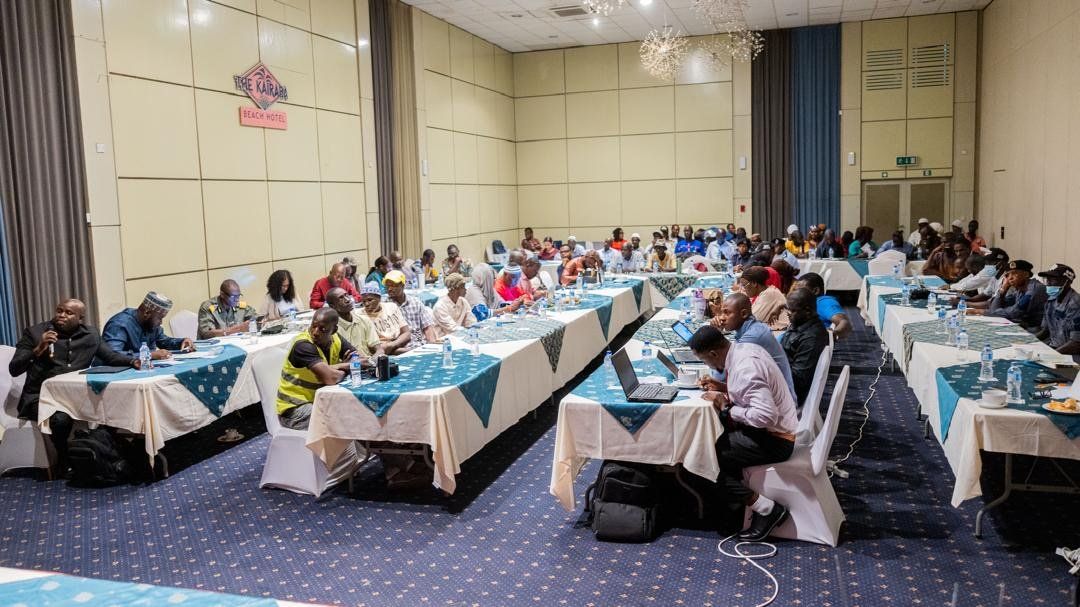
Dr Alexander Kumi‑Larbi Jnr, International Business Director of JGC, opened the workshop, stressing that waste management is a national responsibility and an investment that can yield seven dollars in benefits for every dollar spent. “No single ministry, council or company can deliver a cleaner Gambia alone,” he said, urging collective responsibility.
Participants highlighted operational challenges such as ageing workforces, frequent vehicle breakdowns and inadequate dumpsite facilities at Mile 2, Bakoteh and Tambana. Enforcement of existing sanitation regulations was also a key focus, with Abdou Hydara of the National Environment Agency proposing a 100‑day joint inspection programme with the councils and a commitment to enforce current anti‑littering laws without awaiting new by‑laws.
Representatives from Nairobi City County and Zoomlion Kenya shared lessons from Kenya’s similar partnership, noting that while clearing legacy waste heaps was achievable, changing public attitudes towards waste disposal remains a long‑term challenge. The Gambia plan will include a material recovery facility at Tambana, composting, recycling and engineered disposal, aiming to replace open dumping and burning.
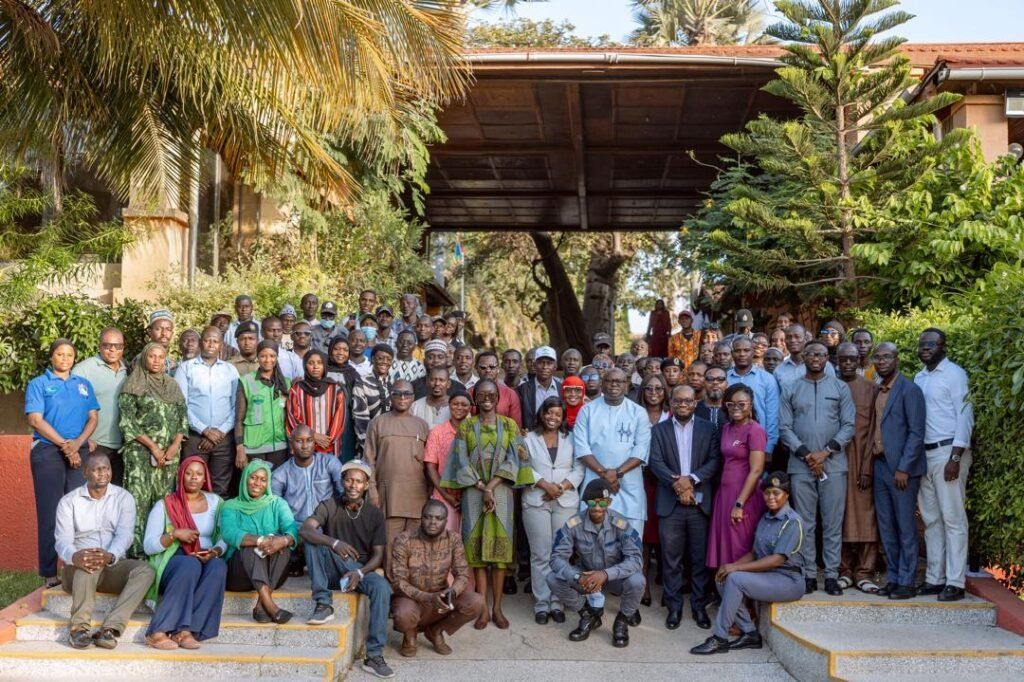
All parties agreed that existing waste collectors, recyclers and pickers would be integrated into the new system rather than displaced, and that local personnel would be recruited, trained and retained to support implementation.
Each institution drafted a 100‑day action plan outlining its responsibilities, with plans to be refined, measured and consolidated into a single implementation document.