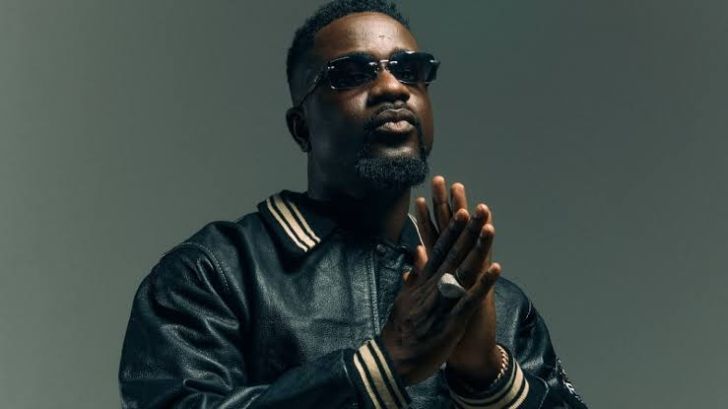
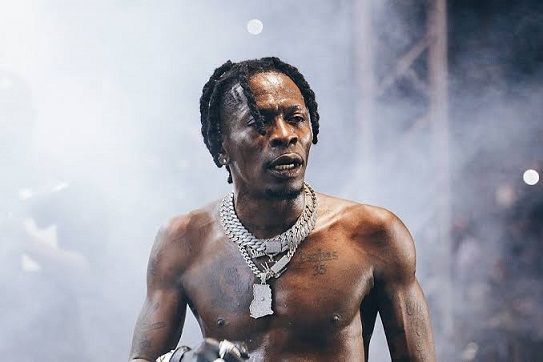
Shatta Wale, the dancehall hitmaker known as Charles Nii Armah Mensah Jr., has addressed President John Dramani Mahama in an open letter dated September 28, urging the government to adopt a balanced approach to tackling online abuse without curbing freedom of expression.
The appeal follows President Mahama’s call for a national stakeholder dialogue on regulating TikTok and other new media platforms, which he raised during a town‑hall meeting with Ghanaians in New York on September 25. The President highlighted concerns over misinformation, insults and other challenges linked to the growing use of social media.
In his letter, Shatta Wale said Ghana needed rules that promote responsible use of social media while protecting citizens’ right to speak freely. He cited his own experiences as a public figure who has faced unverified allegations and public ridicule, arguing that online abuse is not a new phenomenon but has been amplified by instant‑share platforms.
He noted that the problem now affects not only celebrities but also traditional leaders, businesspeople, journalists, politicians, public officials and ordinary citizens. “Freedom of speech and freedom of the media are guaranteed by the 1992 Constitution, but those rights should not be used as a justification for threats, harassment or the deliberate spread of false information,” he wrote.
Shatta Wale proposed collaboration among Parliament, the Judiciary, security agencies, media organisations and civil society to develop clear laws covering serious cases of online abuse. He stressed that any such laws must provide due process and independent judicial oversight while protecting criticism, journalism, satire and political expression.
“Citizens should not be punished simply for criticising a President, public official or public figure,” he stated.
He also suggested that social media platforms operating in Ghana strengthen their account verification systems, potentially linking the process to existing Ghana Card and SIM registration systems. Platforms could respond to lawful, court‑approved requests to identify users accused of proven cases of harassment or defamation. However, he opposed making anonymity a blanket requirement, arguing for a distinction between legitimate anonymous expression and anonymity used to facilitate unlawful conduct.
On punishment, Shatta Wale called for proportionate sanctions, proposing short custodial sentences of not more than one month for specific offences, mainly to serve as a deterrent. He warned against introducing laws that could effectively bring back criminal libel, which Ghana repealed in 2001.
He further urged public education on responsible social media use and asked the government to include members of the creative industry in the discussions, noting that artistes and other players in the sector have first‑hand experience with public commentary, entertainment reporting and online conversations.
President Mahama has said he does not personally object to insults directed at him but has questioned how the country should respond to misinformation, threats and other harmful online content. He has also expressed concern over some arrests allegedly linked to insults against him, saying he was not aware of many such arrests and was concerned about the reasons cited for some of them.
For Shatta Wale, the focus of any new framework should be accountability without silencing citizens. “The goal is not to silence citizens, but to restore responsibility to our public conversation while preserving the freedoms on which our democracy stands,” he said. He added that he was available to contribute to the proposed national dialogue on social media regulation.