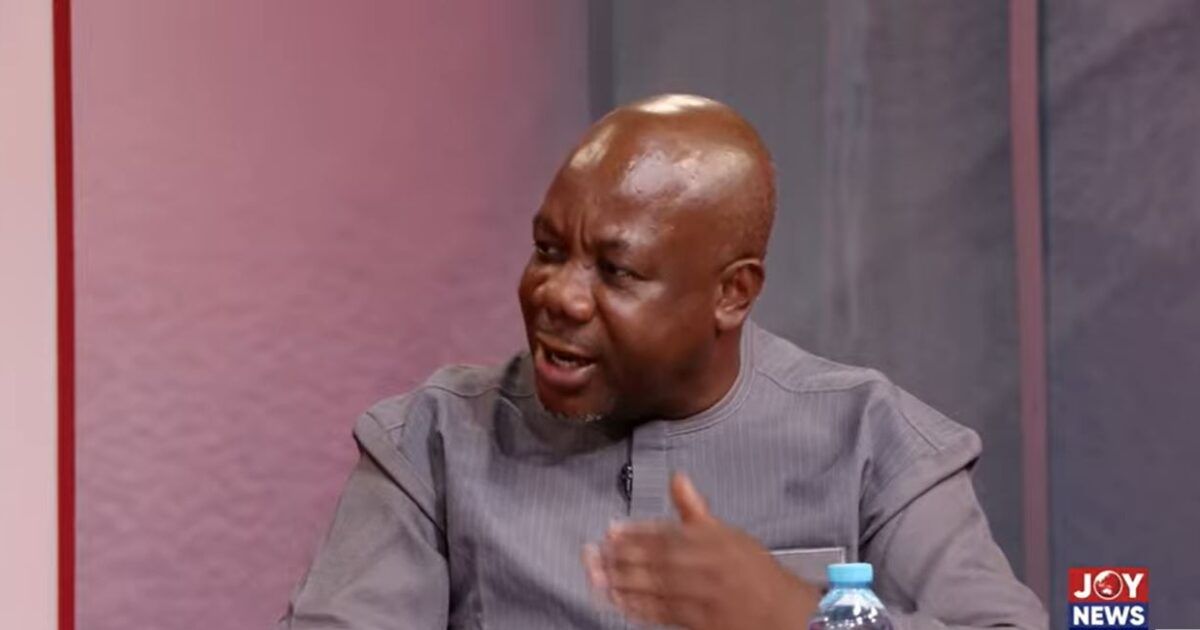
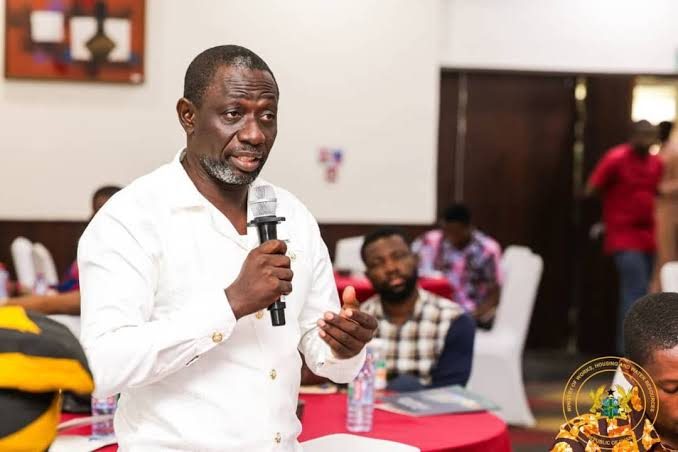
The Acting Rent Commissioner, Frederick Opoku, has said the Rent Control Department is committed to setting and regulating how much private hostels for tertiary institutions can charge in Ghana.
Disputing the hostel operators' association's claim that the department lacks the mandate to do so in the absence of a framework for setting the rates, Opoku said there were already about 100 applications on his table for assessment, which the department plans to complete and use to determine appropriate rents before tertiary institutions reopen for the next academic year.
Speaking during a radio interview on Joy FM on Wednesday, August 19, Opoku said the department had received applications from hostel operators and expected to complete the assessments within three months. He said the exercise is being carried out under the Rent Act, 1963 (Act 220), which gives the Rent Control Department authority over premises across the country, except government owned properties.
Opoku disagreed with the Chairman of the Hostel Owners Association, Bishop Dr Akwasi Owusu-Bi, over the regulation of hostel charges. "As we speak today, let me announce to you that I received 100 applications and they are all going to be assessed within the next three months, two months before school reopening," Opoku said. "We are going to set how much they will charge in this country."
He said private hostel operators remain subject to the rent laws despite having invested in their facilities. "Private hostels are not outside the law simply because they are investors," he said, adding that Section 10 of the Rent Act gives rent officers the authority to determine the rent payable for premises. He also warned hostel operators who had not applied for assessment, saying they were "running away from the law."
In the same interview, Bishop Owusu-Bi said hostel operators were not against the assessment of their facilities but disagreed with how the exercise was being conducted. He said the high cost of hostel accommodation was partly driven by rising construction costs and statutory fees paid to state institutions, including the Ghana Revenue Authority, the Environmental Protection Agency, the Ghana Tourism Authority and the Ghana National Fire Service.
He said current hostel charges were determined several years ago after concerns raised during the previous New Patriotic Party administration, through a committee involving various universities and hostel operators that worked out what was considered a reasonable charge. He said hostel construction is usually financed through personal funds and short term bank loans repayable within one to three years, and that some operators are now considering raising their charges because they are operating at a loss. He also disclosed that some hostels had been sold by banks after their owners defaulted on loan repayments.
The two sides also disagreed over an attempted meeting between the Rent Control Department and hostel operators in Kumasi. Bishop Owusu-Bi said he had invited the acting Rent Commissioner to Kumasi for discussions, but claimed Opoku asked for his travel expenses to be covered, and subsequently ended their telephone conversation before the discussion was concluded. Opoku confirmed he had declined to travel to Kumasi without a budget for the trip, saying he could not use public funds to attend a meeting with a private association. "If you don't have a budget, you can't force me to come," he said, adding that hostel operators should instead travel to Accra to meet him.
Asked whether hostel operators provide a public service by accommodating university students, Opoku disagreed. Speaking from Sunyani, he also referred to Koforidua while discussing the legality of some hostels, saying "90 per cent of them are illegal, not even paying taxes," without specifying whether the figure referred to hostels in Koforidua, private hostels generally, or facilities that could be affected by the enforcement exercise.
Asked what arrangements had been made for students who might be displaced if some hostels are closed as a result of the enforcement exercise, Opoku said he would advise government to consider alternative arrangements.