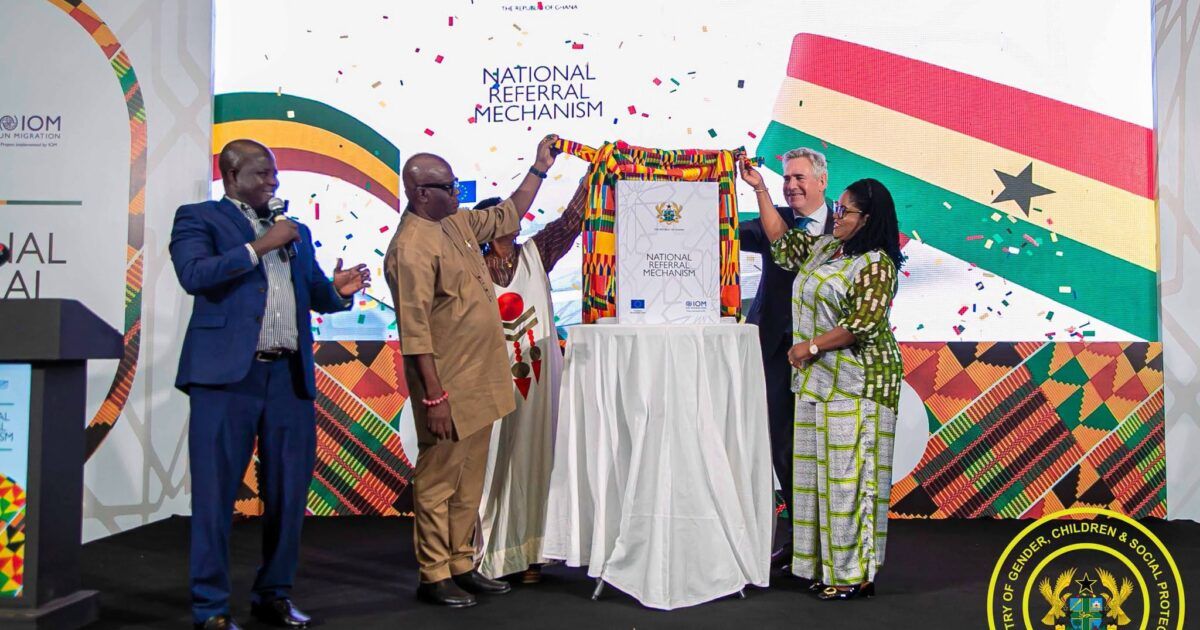
Ghana has launched a National Referral Mechanism (NRM) to strengthen the protection, safe return and sustainable reintegration of migrants in vulnerable situations. The initiative establishes a coordinated framework to help identify vulnerable migrants, assess their needs and connect them to appropriate protection and support services.
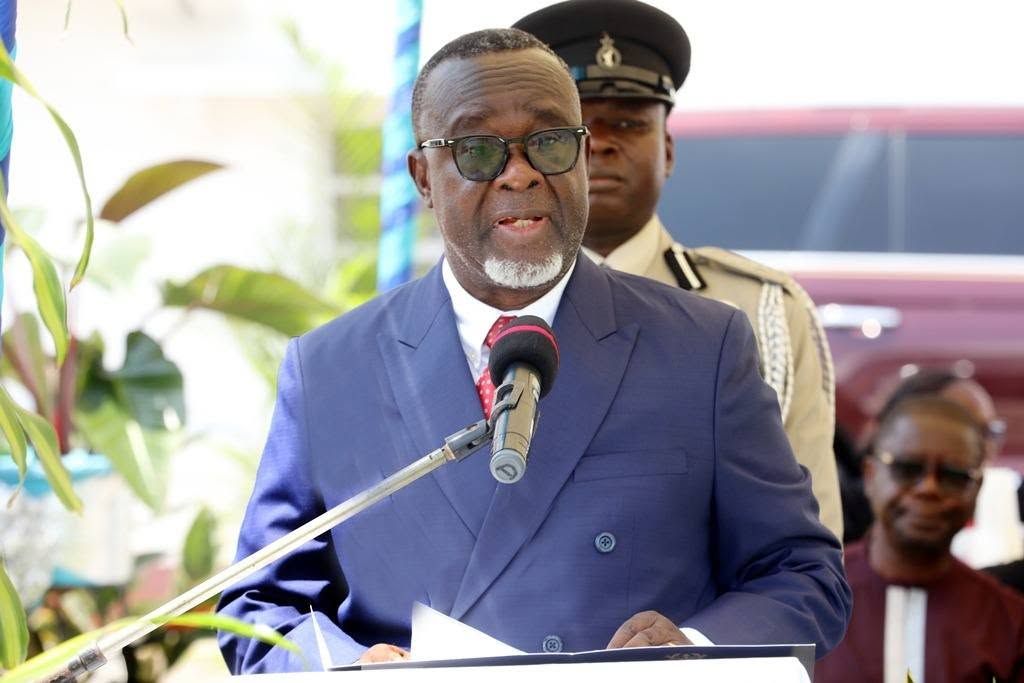
The NRM is a collaborative effort involving the International Organisation for Migration (IOM), the Ministry of Gender, Children and Social Protection, the Ministry of the Interior and other relevant stakeholders, with support from the European Union. Speaking at the launch, Dr Agnes Naa Momo Lartey, Minister for Gender, Children and Social Protection, described the mechanism as an important step towards strengthening Ghana’s national protection systems and ensuring that vulnerable migrants receive the assistance they need.
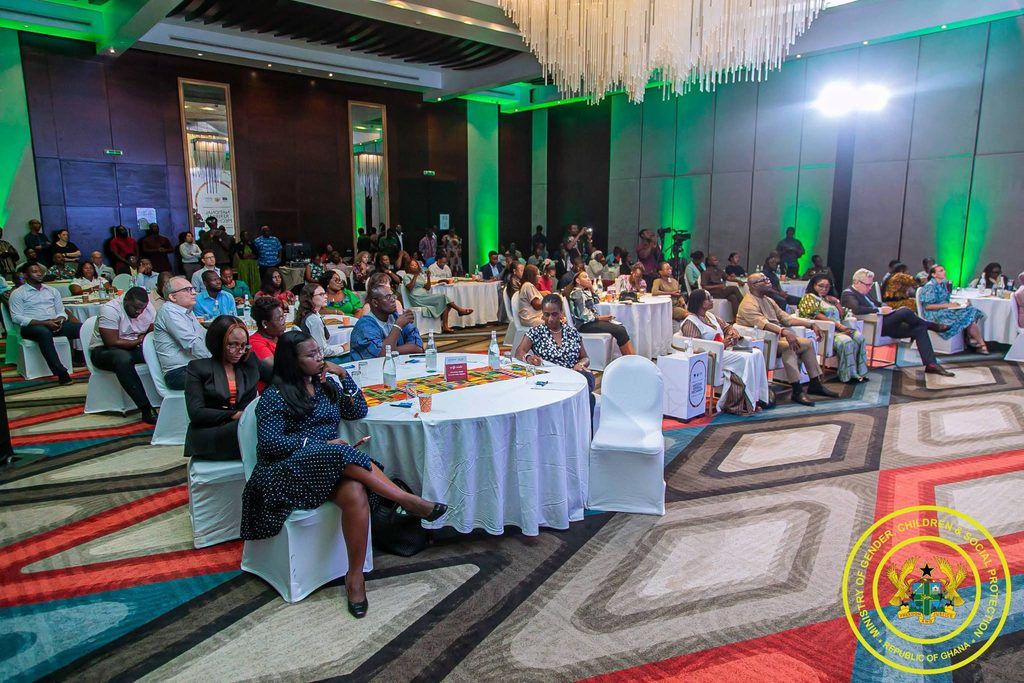
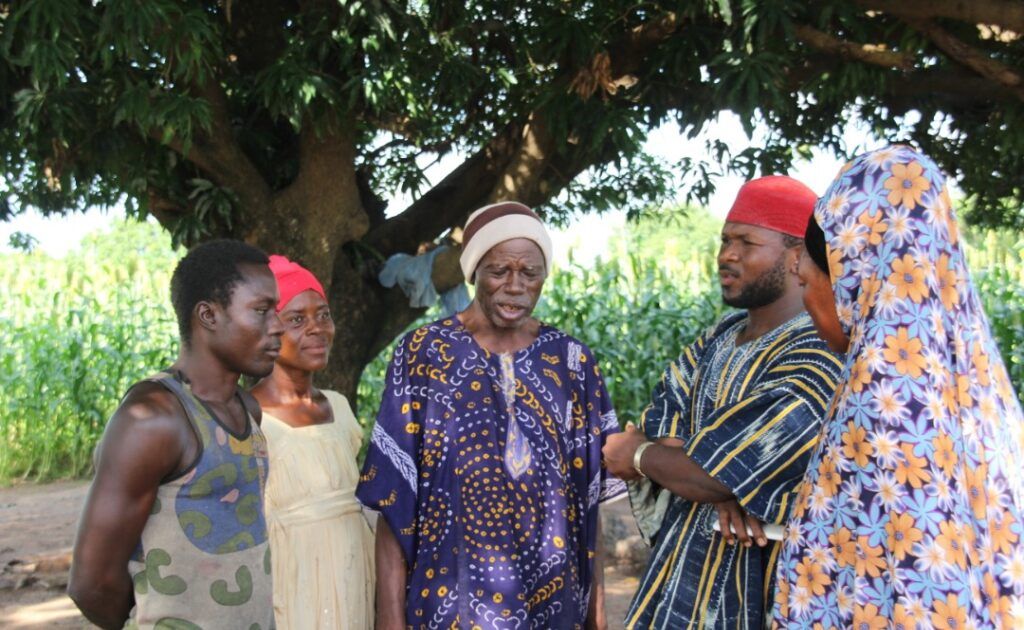
She noted that while migration creates opportunities for individuals and families, some migrants face trafficking, exploitation, abuse, violence and other forms of vulnerability. Such situations require access to essential services, including shelter, healthcare, psychosocial support, legal assistance, child protection and sustainable livelihood opportunities. Dr Lartey stressed that these needs could not be adequately addressed by a single institution but required a coordinated, rights‑based and multi‑sectoral approach.
The mechanism provides a nationally owned framework with clear referral pathways and coordination arrangements involving government institutions, civil society organisations and development partners. It also defines the responsibilities of participating institutions while promoting collaboration, accountability and continuity of care, with the dignity and welfare of migrants at the centre of interventions.
Anchored in Ghana’s constitutional, legal and policy frameworks – including the 1992 Constitution, the Human Trafficking Act, 2005 (amended 2020), the Children’s Act, 1998 and the Domestic Violence Act, 2007 – the NRM is expected to support the implementation of the National Migration Policy, the National Plan of Action for the Elimination of Human Trafficking, the Diaspora Engagement Policy and Ghana’s National Implementation Plan for the Global Compact for Safe, Orderly and Regular Migration.
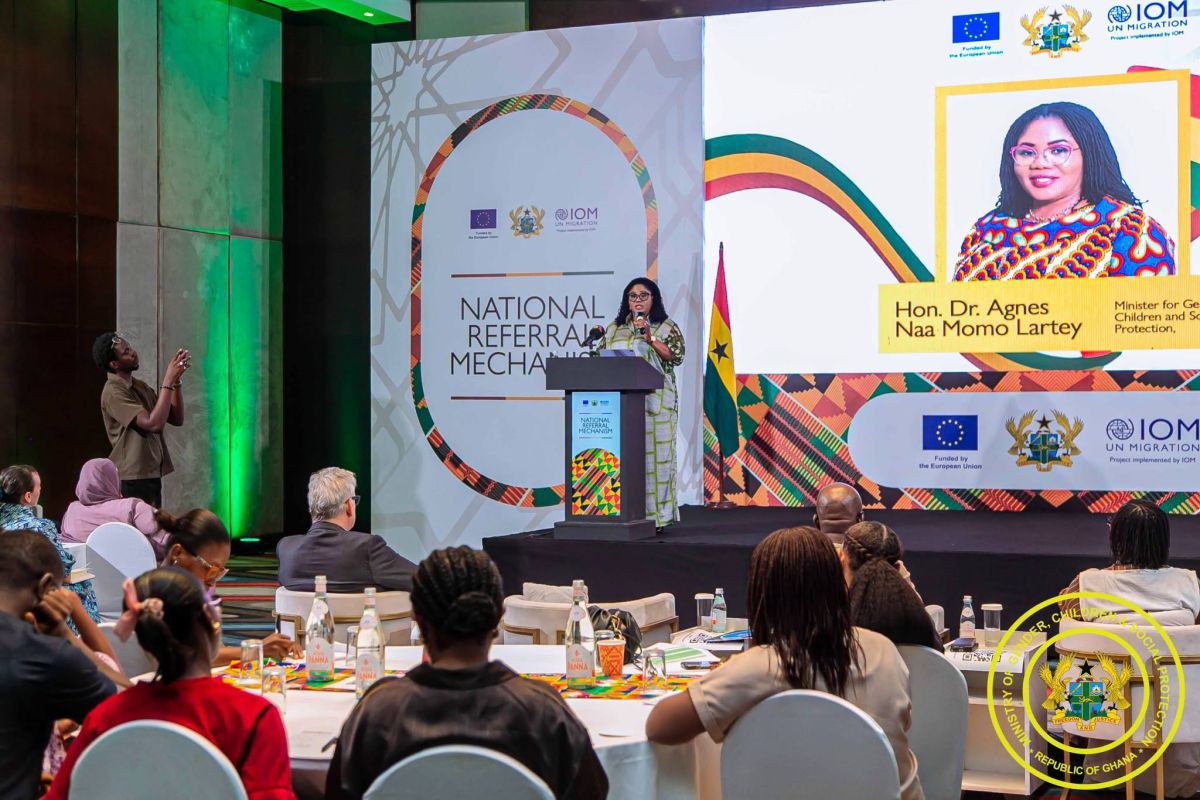
Dr Lartey indicated that the Ministry of Gender, Children and Social Protection will host the mechanism’s Secretariat and coordinate its implementation in line with its mandate to promote social protection, child protection and the welfare of vulnerable populations. The NRM will adopt a case‑management approach, bringing together government agencies, NGOs, international organisations and civil society actors to provide comprehensive support to vulnerable migrants. Services will cover protection and access to justice, shelter and accommodation, healthcare, education and training, livelihood opportunities, personal wellbeing, as well as family tracing and reunification.
A roadmap for operationalising the mechanism was outlined, including mapping relevant stakeholders, assessing existing arrangements, developing standard operating procedures and monitoring and evaluation frameworks, and establishing a coordinating committee to oversee implementation. The initiative, supported by the European Union and implemented by IOM in collaboration with government institutions and other stakeholders, is intended to strengthen Ghana’s response to migration‑related vulnerabilities and ensure that affected migrants receive appropriate protection and support for sustainable reintegration.