President John Mahama announced on Monday, October 19 that the government will expand piped water networks in Tamale, Yendi and Damongo, with the European Union providing the financing. The move aims to address infrastructure deficits and spur economic development in northern Ghana.
New heavy‑duty pumps for the Dalong waterworks are slated to become operational next month, easing pressure on Tamale’s municipal water supply. The projects are part of a broader strategy to improve access to water, reduce the cost of living and doing business, and create conditions for agro‑industrial expansion.

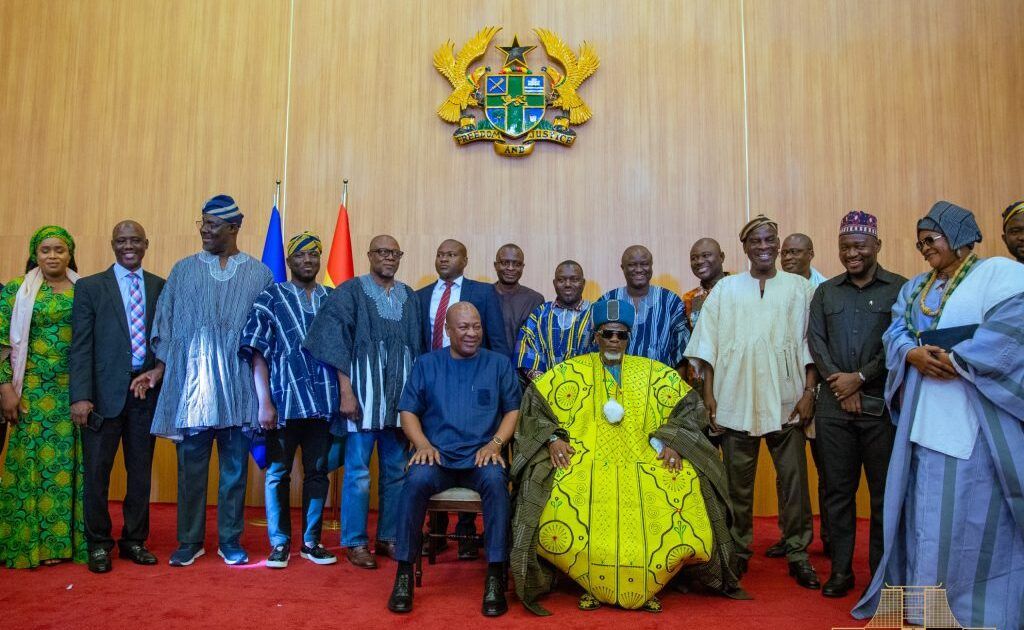
Mahama made the announcement during a courtesy call by a delegation of chiefs from the Dagbon Traditional Area, led by Regent Kampakuya Naa Yakubu II. The visit also served to thank the President and the state for their support during the illness, funeral rites and burial of the late Overlord Ya‑Na Abukari Mahama II, and to celebrate the peaceful enskinment of the Regent.
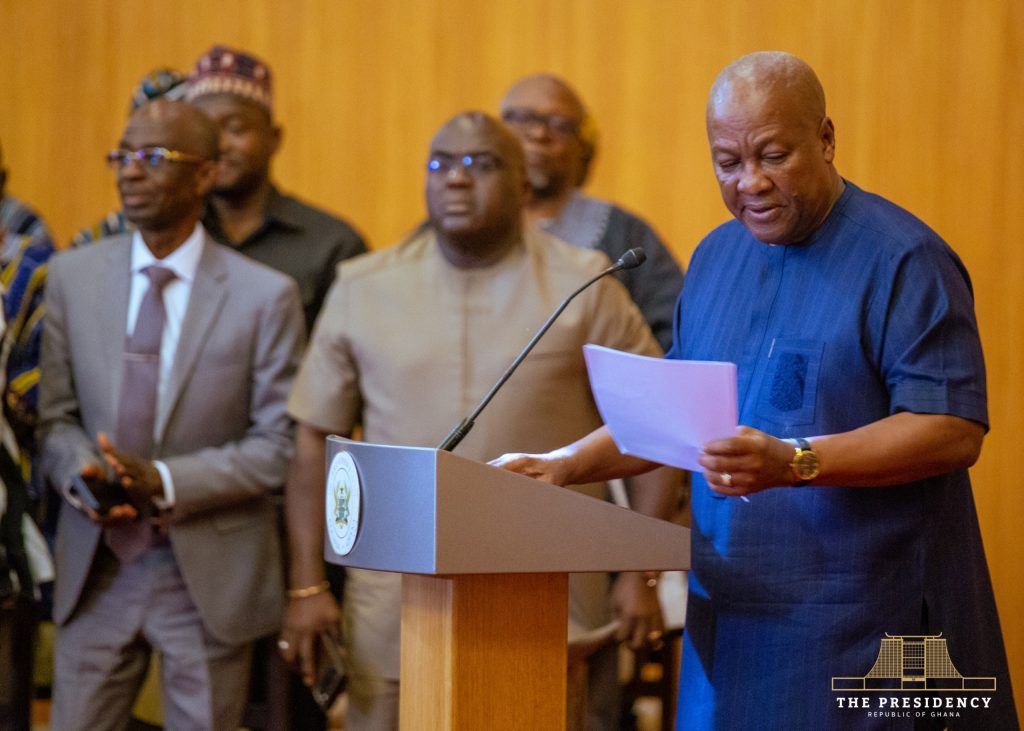
Speaking to the chiefs, Mahama said peace and reliable public infrastructure were essential to attracting private investment, creating sustainable jobs for young people and accelerating development in the north. He reaffirmed the government’s commitment to working with traditional authorities to sustain peace and promote regional transformation.
“Our fundamental responsibility as a government is to foster a safe, peaceful, and enabling environment—encouraging dialogue at every turn and ensuring that every single community feels protected and valued,” Mahama said. He added that the government would not interfere in chieftaincy affairs and that the peace of Dagbon is priceless.
Mahama also paid tribute to the late Ya‑Na Abukari Mahama II, describing him as a trusted friend, a father figure and a visionary peacemaker who helped restore harmony across the kingdom. He urged Regent Yakubu II to build on his father’s legacy through wisdom, broad consultation and inclusivity.
In closing, the President highlighted that the planned water projects and other infrastructure investments were intended to address longstanding utility challenges, reduce the cost of living and doing business, and create conditions for agro‑industrial expansion. The government stands shoulder‑to‑shoulder with Dagbon leaders on this journey.