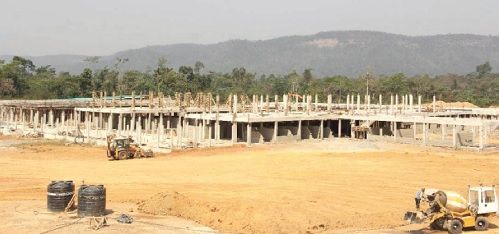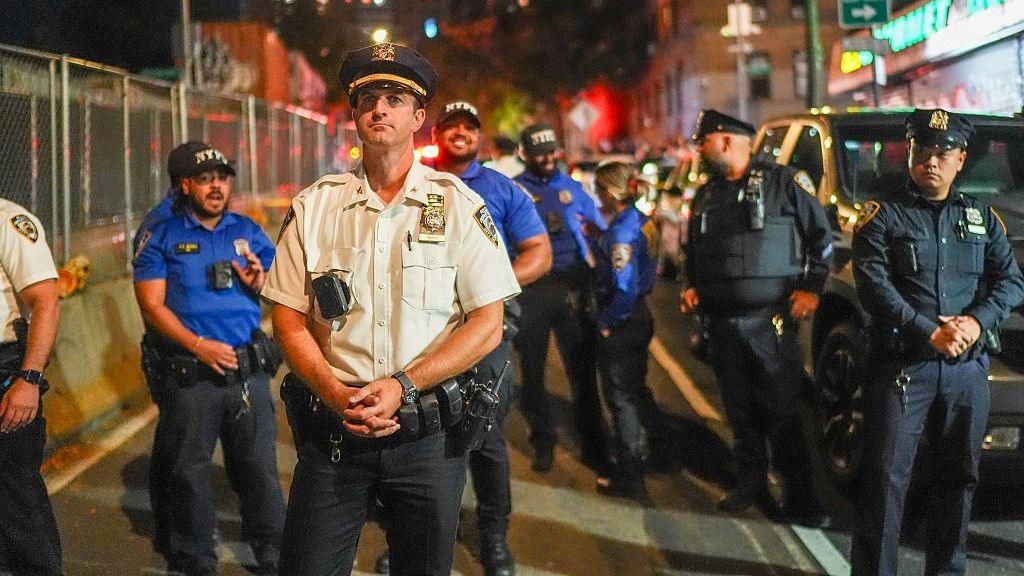

At about 4 am on Friday, October 2, joint forces of the Ghana Police Service, Military Police, Fifth Battalion and 48 Engineer Regiment stormed La Pleasure Beach and ordered workers to leave the premises for a demolition exercise.
The operation followed a similar clearance at Laboma Beach Resort on September 13 under the Post‑Flood Mitigation Task Force aimed at restoring the Kpeshie Lagoon and curbing flooding in Accra. Hotel owners, who run the adjacent properties through the Social Security and National Insurance Trust, cited security and coastal ecosystem concerns.
Many vendors said they received no prior notice, while others felt the two‑week notice period was insufficient. A single‑mother worker recalled being told to vacate within two weeks but doubting enforcement. After the clearance, Member of Parliament Honourable Rita Naa Odoley Sowah and Municipal Chief Executive Honourable Alfredos Nii Anyetei confirmed that dozens of people were rendered jobless, a blow to the informal economies of La, Osu and Teshie.
Informal workers—stallholders, food sellers, casual labourers and small traders—make up roughly 89 % of employment in Ghana. They typically possess little more than a stall, a day’s stock and the income it generates. Losing a workplace can mean losing the means to feed a family.
A 2024 study by Alex Anlesinya and Gerald Joseph Tetteh Nyanyofio on informal workers during the pandemic highlighted four key vulnerabilities: income inseparability from survival, lack of financial cushion, the social value of work, and inadequate social protection. While the study did not examine demolitions, its findings echo International Labour Organisation and WIEGO research on the fragility of informal livelihoods.
Ghana’s 1992 Constitution protects property rights and the right to work under safe conditions. Articles 18, 20 and 24, along with Articles 15, 17, 19 and 23, emphasize dignity, equality and fair administrative treatment. The legality and fairness of the demolition process—particularly notice, access to belongings and support for displaced workers—warrant scrutiny under both national law and international forced‑eviction standards.
As the state moves forward with further coastal redevelopment, stakeholders must ensure that interventions are lawful, proportionate and accompanied by adequate safeguards for the informal workforce whose livelihoods are most at risk.