
The Ghana Gold Board's (GoldBod) plan to roll out a blockchain-powered track-and-trace system by the end of 2026, aimed at ensuring every gram of gold it purchases links to verified legal sources and keeping galamsey gold out of the national supply chain, remains on course.
According to the Chief Executive Officer, Sammy Gyamfi, GoldBod is currently undertaking a national competitive tendering process for a gold tracing system, which is expected to be concluded before the end of the year.
The system will allow GoldBod to establish a full value chain track-and-trace mechanism under Section 31 of the Gold Board Act, designed to prevent illegally mined gold from mixing with gold the board purchases through legitimate channels.
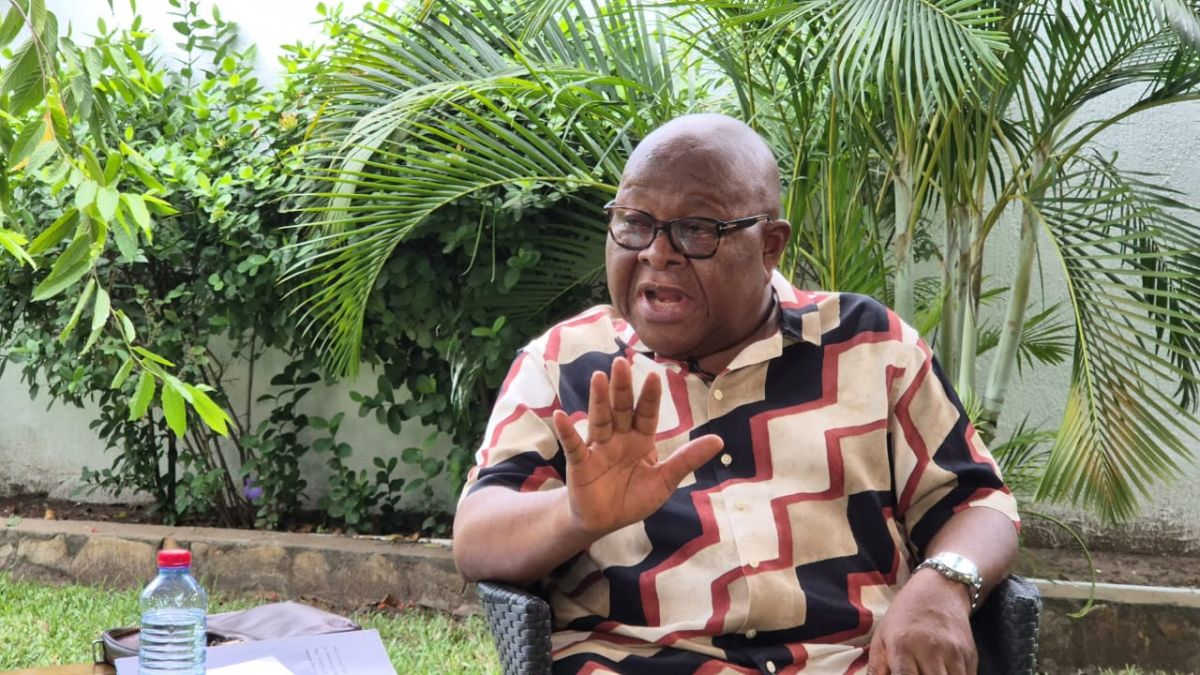
Speaking at a press briefing in Accra on Wednesday, August 19, Gyamfi said the system would enable GoldBod to trace gold purchases back to their mines of origin and verify the source of gold bought through licensed aggregators.
The key traceability measures include tracking gold origin transparently from both small scale and large scale miners, establishing structured district gold buying centres to monitor transactions more closely, and conducting periodic audits and checks on licensed operators to prevent them being used as fronts for illicit mining.
Gyamfi said the absence of such technology had, until now, made it difficult to verify the true source of gold bought through licensed aggregators. He said that once the system becomes operational, GoldBod would ask Parliament to legislate on how gold suspected to have originated from illegal small scale mining, commonly known as galamsey, should be treated.
On a separate matter, Gyamfi said GoldBod plans to extend its forest reclamation corporate social responsibility programme to at least 150 hectares of degraded forest reserves in 2027, following a directive from President John Mahama.
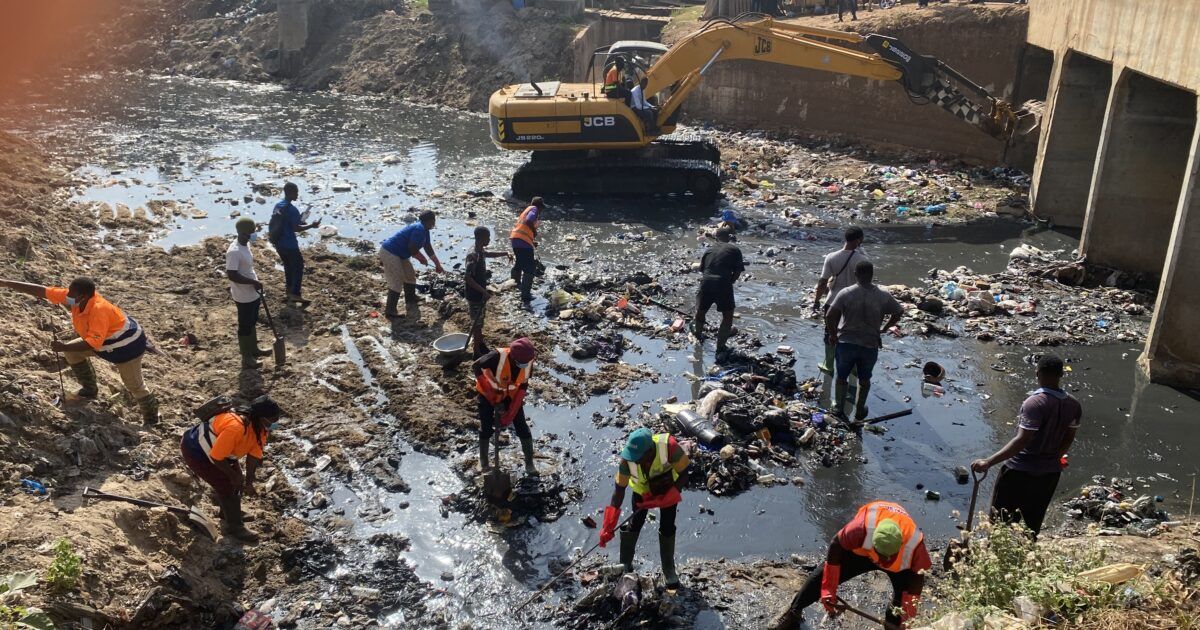
He said the reclamation programme has already begun, with a project covering 50 hectares of degraded land in the Tano Nimiri Forest Reserve near Samreboi in the Western Region currently under way. The project was formally signed on June 16, 2026, with the Ghana Armed Forces Engineers Regiment paid GH¢27.9 million for earthworks, including pit filling, grading and land stabilization. A further GH¢7.2 million has been allocated to the Forestry Commission for afforestation and revegetation over a 10 year period, with about GH¢2.2 million earmarked for the first phase of planting. Together, the two components bring the total contracted value of the project to about GH¢35.1 million.
Gyamfi said the responsibility for reclaiming mined land legally rests with licensed miners, who are required under Ghana's mining regulations to cover pits, plant trees and, in some cases, post environmental bonds with the Environmental Protection Agency. He acknowledged that enforcement of this requirement had historically been weak, and said GoldBod had decided to commit part of its profits to reclamation as a corporate social responsibility measure rather than wait for the underlying enforcement problem to be resolved.