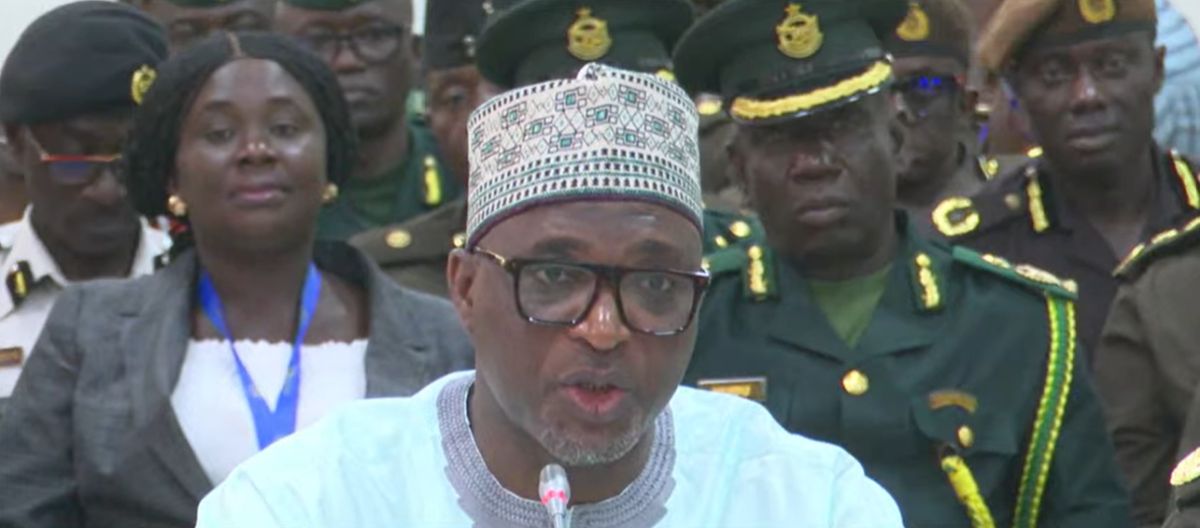
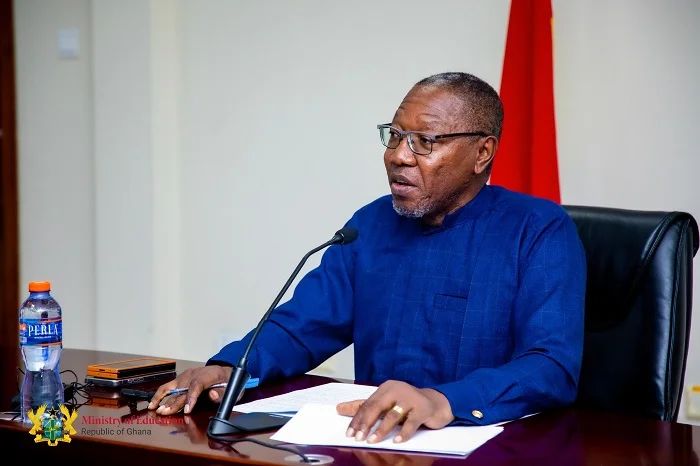
In a move aimed at safeguarding linguistic parity, the Executive Secretary of the Bureau of Ghana Languages, Ebenezer Ahiator, told Parliament’s Committee on Chieftaincy, Culture and Religious Affairs that Ghana should not adopt a single indigenous language as a national language. Ahiator warned that selecting one language could make speakers of the remaining tongues feel second‑class.
How the Debate Unfolded
The discussion sparked on social media, where a comment about Twi led to a formal parliamentary hearing. Advocates for Twi highlighted its widespread use in markets, churches and workplaces, questioning why it should be excluded from national status. Opponents cited the diverse linguistic landscape, pointing to languages such as Dagaare, Gonja, Nzema, Fante, Kasem, Gurene, Dangme and Likpakpaanl as carriers of rich cultural heritage.
English’s Dominant Role
English currently dominates official correspondence, education and examinations, effectively becoming the de facto national language. The Constitution’s Article 39(3) requires the State to foster Ghanaian languages, yet parliamentary proceedings are largely conducted in English, giving it a privileged position. Ahiator noted that while English is ethnically neutral, it is socially advantageous, often leading to perceived intellectual promotion for those who speak it fluently.
Looking Ahead
Ghana faces a choice: maintain English as the sole national language while encouraging the use of local tongues in education and media, or adopt a multilingual system that elevates one indigenous language. Other nations have experimented with similar arrangements, balancing international languages with national ones. The debate continues as lawmakers weigh the implications for cultural identity and social equity.