The Ministry of Gender, Children and Social Protection urged industry to step up its support for women pursuing careers in Technical and Vocational Education and Training (TVET) on Monday, stressing that training must be matched with practical experience and sustainable career pathways.
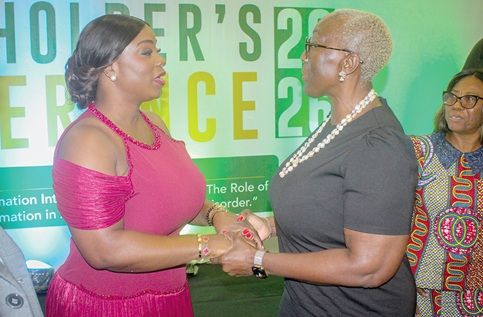
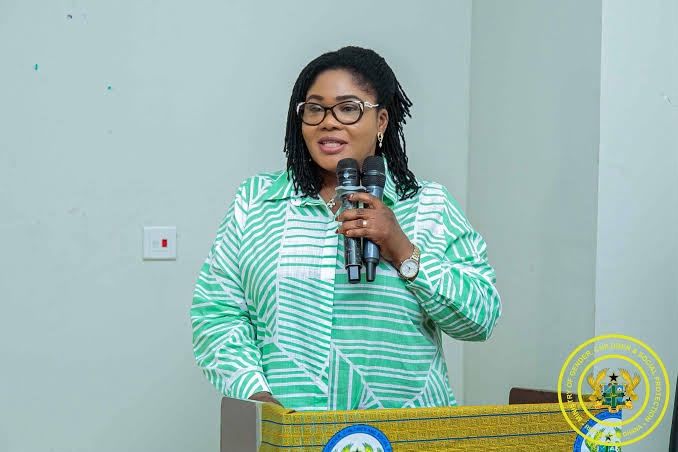
In a keynote address delivered on behalf of Dr Agnes Naa Momo Lartey, the Minister for Gender, Children and Social Protection, the Ministry’s Director Faustina Acheampong spoke at the fifth Women in TVET Conference in Accra. The event, organised by the Commission for Technical and Vocational Education and Training (CTVET) and held at the Alisa Hotel in North Ridge, carried the theme “Give to Gain – A Powerful Call to Action.”
Dr Lartey noted that Ghana’s changing labour market demands that women and girls acquire practical, market‑relevant skills and have clear pathways into employment and leadership. She warned that encouraging participation alone is insufficient; structural barriers must be removed so that women can complete training, enter industry and progress in their careers.
The Minister linked the call to the government’s broader gender agenda, including the Revised National Gender Policy 2025–2034 and the 2024 (Act 1121) Affluent Action (Gender Equity) Act, which aim to address gender disparities and promote women’s participation in decision‑making.
She urged that affirmative action be viewed as a tool to overcome historical barriers rather than a substitute for merit. For young women entering TVET, the Minister said, skills must be paired with ambition, networks, technology and opportunities to apply what they have learned.
Dr Lartey also called on stakeholders to translate discussions about women in TVET into practical partnerships and opportunities, rather than keeping them at the policy level. She praised CTVET for sustaining the Women in TVET Conference, describing it as an important platform for bringing together women in the sector, industry, policymakers, educators and development partners.
The overarching goal, she said, is to build a Ghana where men and women have equal opportunities to contribute to national development. Industry partners are now being urged to create more internships, apprenticeships and workplace placements that will help close the gap between skills acquisition and employment for women and girls.